
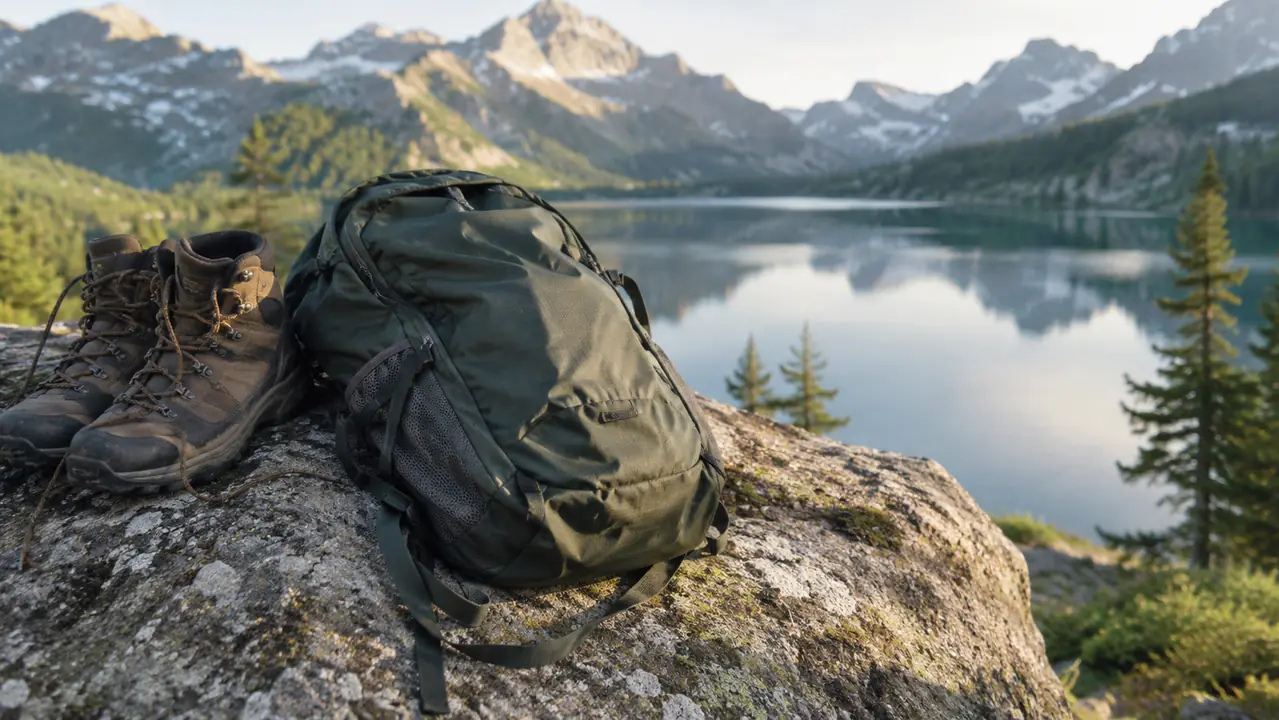
For years, I carried a proper 28 liter hiking pack on every trip, even when I only needed it for a few hours at the destination. It ate half my carry-on, and I would end up hauling an empty pack through airports. So when packable daypacks started showing up everywhere, I was skeptical. Most of them felt like grocery bags with shoulder straps, and I assumed that was the tradeoff for something that folded down small.
The Outlander Packable Daypack is the one that finally changed my mind. I have used it for about eight months now, on weeknight hikes in the Boise foothills, weekend trips into the Sawtooths, and a two week trip to Portugal where it lived inside my carry-on. This is the long-term review I wish I had found before I bought it.
The Quick Verdict
A genuinely durable packable daypack that disappears into your luggage and still handles a full day on the trail. Not for heavy loads, but for most hikers it is the only daypack you need.
Amazon Check Today's Price →The packable daypack I stopped leaving at home
After eight months and a few hundred trail miles, the Outlander still looks and carries like new. If you want a daypack that packs flat and works hard, this is the one.
Amazon Check Today's Price on Amazon →How I've Used It
I am 5 foot 6 with a short torso, and I have a left knee I have to manage on long descents. That matters because a daypack that shifts around can make a bad knee worse. I have carried the Outlander on everything from an easy two mile loop after work to a 14 mile day in the Sawtooths with about 3,000 feet of elevation gain.
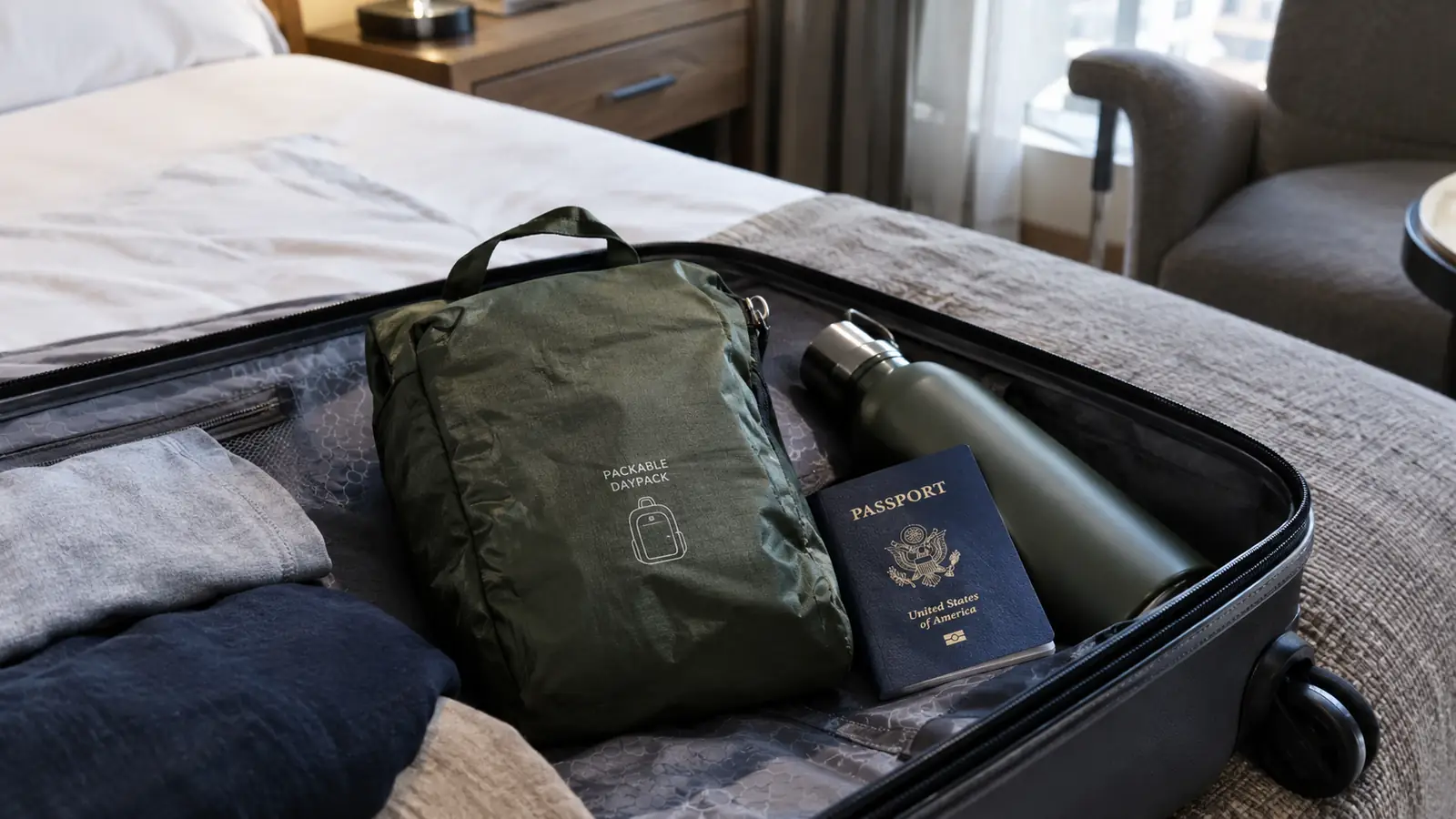
The pack has two sizes, 20 and 33 liters. I have the 33 liter version because I use it as my only bag on day trips and as a second bag when I travel. When it is empty, it folds into its own front pocket and ends up about the size of a small paperback. When it is full, it carries like a normal daypack.
I have also used it as a personal item on flights. I slide it under the seat with my feet on it, and it has survived being shoved, stepped on, and stuffed under airplane seats without a tear. That is more than I can say for the last two packable bags I owned.
How It Carries on the Trail
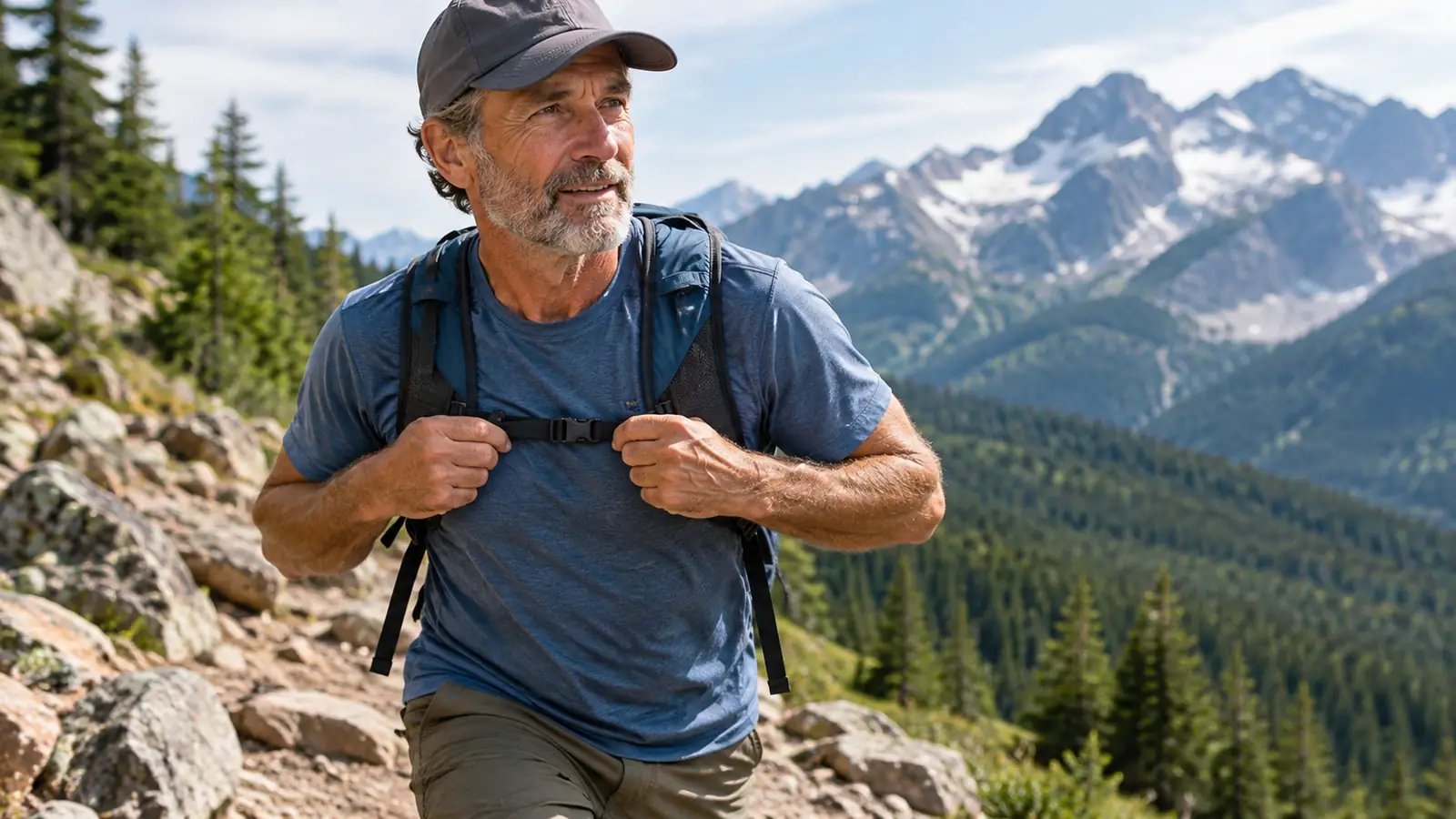
The first thing I noticed is that the Outlander does not feel like a packable pack. The back panel has a little structure to it, so the pack keeps its shape instead of sagging into a lump. The shoulder straps have enough padding for an 8 to 10 pound load, which is what I carry on most day hikes: water, a puffy jacket, a first aid kit, lunch, and a camera.
My short torso usually means straps sit too wide or too low. The Outlander's straps are adjustable and close enough together that they stay on my shoulders without sliding off. The sternum strap helps a lot, especially on the descent when I want the pack to stay put and not pull on my knee.
That said, this is not a pack for heavy loads. There is no hip belt, so anything over about 15 pounds rides on your shoulders and you feel it. I once carried a full 33 liters of gear for a long day, mostly extra layers and a tripod, and by the end my shoulders were sore. For normal day hike loads, it is fine. For hauling camp gear, it is the wrong tool.
What It's Like to Pack and Unpack It
The main compartment is one big space with a small zippered pocket on the outside and a tiny pocket inside. That means you have to be organized. I use small stuff sacks for my first aid kit and electronics, otherwise everything ends up in a pile at the bottom. It is a minor annoyance, not a dealbreaker.
The packable feature is the reason most people buy this, and it works. You stuff the whole pack into its front pocket, zip it shut, and you have a flat little bundle that takes up almost no space. The first few times it takes a minute to get the folding right. Once you learn the trick, it takes about twenty seconds.
On my Portugal trip, the Outlander lived in my carry-on for two weeks. I would pull it out for day trips to the coast, then fold it back up at the end of the day. It never once snagged on the zipper of my suitcase, and it came out of the trip looking the same as it went in.
Going through airport security is the one time the packable feature really pays off. I pull the Outlander out of my carry-on, unfold it, and use it to hold my jacket and snacks on the other side. When I land, I fold it back up and tuck it away. It turns a useless extra bag into something I actually use.
The Materials and Build Quality
The fabric feels like a thick ripstop nylon, not the crinkly tissue paper you get on cheap packable bags. I have dragged it over granite slabs, pushed it under airplane seats, and once dropped it on a gravel parking lot. After eight months, the only damage is a scuffed corner on the bottom panel.
The zippers are the weak point on most packable packs, and these are better than average. They have not snagged or split, and the main zipper still runs smoothly. The stitching on the shoulder straps is clean, and I have not seen any loose threads or pulled seams.
One honest warning: the fabric is water resistant, not waterproof. A light rain beaded up and rolled off, but a steady downpour soaked through after about twenty minutes. If you hike in wet weather, bring a pack cover or line the inside with a dry bag.
How It Compares to the Pack I Used Before
Before the Outlander, my daypack was a 28 liter hiking pack from a well known outdoor brand. It had a frame sheet, a hip belt, and more pockets than I ever used. It was a great pack, but it weighed almost three pounds on its own and took up a third of my carry-on. I kept it for years because I thought a real daypack had to be heavy and structured.
The Outlander is the opposite. It weighs a fraction of that, packs down to almost nothing, and still carries a full day of gear. What I gave up was the hip belt and the organization. What I gained was a pack that actually comes with me instead of staying home because it is too bulky to pack.
I do not miss the old pack. On the trail, the Outlander carries well enough that I forget I am wearing it. And when I travel, I do not have to choose between a decent daypack and a carry-on that fits in the overhead bin.
The One Thing I'd Change
If I could change one thing, it would be the water bottle pockets. They are stretchy and they hold a standard bottle fine, but they sit a little low. When I bend over to tie my shoes, a full bottle can slide out. I have learned to reach back and push it down before I lean over, but it is the kind of small flaw that shows up after months of use.
I would also add a small key clip inside the main pocket. Right now my keys end up in the bottom with everything else. Neither issue is enough to make me stop using the pack, but they are the two things I notice most.
Neither of these is a dealbreaker, and I would buy the Outlander again tomorrow. But I mention them because every honest review should tell you what annoys the person who lives with the product, not just what works.
What Surprised Me Most
I expected the Outlander to feel flimsy, because every packable pack I had tried before felt flimsy. What surprised me is how solid it feels on your back. The back panel has enough structure that the pack does not sag or shift, even when I am scrambling over rocks.
I was also surprised by how much it holds. The 33 liter version swallows a puffy jacket, a full first aid kit, a 2 liter water bladder, lunch, a camera, and still has room for a rain shell. I have fit a surprising amount of gear in it for a pack that folds down to the size of a paperback.
The other surprise is how often I reach for it. I bought it for travel, but now it lives in the back of my older Subaru Outback. On weeknights I grab it for a quick hike in the foothills, and on weekends it goes into the Sawtooths. It has become my default daypack, which is not something I expected from a packable bag.
How It Handles Hot Weather and Long Days
I did most of my testing in Idaho, which means hot, dry summers. The Outlander's back panel is plain fabric with no mesh or air channel, so on a 90 degree day it sits flat against your shirt and traps heat. You will sweat more than you would with a mesh suspension. For a pack that folds into its own pocket, I think that is a fair trade.
On long days, the lack of a hip belt matters more the heavier the pack gets. For a typical summer hike with 2 liters of water and a light jacket, it is fine. For a full day with extra layers, a tripod, and food for two people, my shoulders started complaining around mile 10. I learned to keep the load under 12 pounds and it is a different pack.
The good news is that the pack breathes well enough for most conditions. The shoulder straps are ventilated, and the back panel does not soak through my shirt the way some packs do. On a recent 14 mile day in the Sawtooths, I never felt the need to take it off and air out my back.
What I Liked
- Packs down small enough to live in a carry-on
- Solid materials and stitching for the price
- Carries a normal day hike load comfortably
- Straps fit a short torso without sliding
- Survived eight months of hard use
Where It Falls Short
- No hip belt, so heavy loads hurt
- One big compartment, no real organization
- Not waterproof in a steady rain
- Folding it takes practice at first
After eight months, a couple hundred trail miles, and a two-week trip, the only damage is a scuffed corner on the bottom panel.
Who This Is For
This pack is for the hiker who wants one bag that does double duty. If you fly with a carry-on and want a daypack for the destination, the Outlander is hard to beat. It is also great for commuters, parents at theme parks, and anyone who wants a spare bag in the car for unexpected stops.
It is also for people who are tired of replacing cheap packable bags. I have owned three packable daypacks before this one, and two of them tore within a year. The Outlander is built like a real pack, and it shows.
Who Should Skip It
Skip it if you regularly carry more than about 15 pounds. Without a hip belt, heavy loads will dig into your shoulders and make you miserable. For that kind of use, you want a framed pack with a proper suspension system.
Skip it also if you need organization. There is one main pocket, one small external pocket, and one tiny internal pocket. If you like a dozen compartments for your keys, phone, snacks, and map, this pack will frustrate you. And if you hike in heavy rain, the lack of waterproofing means you will want a different pack or a cover.
One more thing: if you are choosing between the 20 and 33 liter versions, think about what you will carry. The 20 liter is fine for a light day hike, but it will not hold a jacket, water, and food for two people. I would pick the 33 liter unless you only want a pack for a phone, keys, and a water bottle.
The Bottom Line
The Outlander Packable Daypack is not the pack for everyone. If you need a hip belt for heavy loads or a dozen pockets for organization, keep looking. But if you want a daypack that disappears into your luggage and still handles a full day on the trail, this is the best option I have found in eight months of testing.
I have owned three packable daypacks before this one. Two tore within a year. The Outlander is the first one I have not had to replace, and it is the one I reach for on every trip. That is the highest compliment I can give a piece of gear.
The daypack that earned its spot in my carry-on
If you are tired of paying for a second bag or hauling an empty pack through airports, the Outlander is the fix. It is the one piece of gear I recommend to friends without a caveat.
Amazon Check Today's Price on Amazon →