
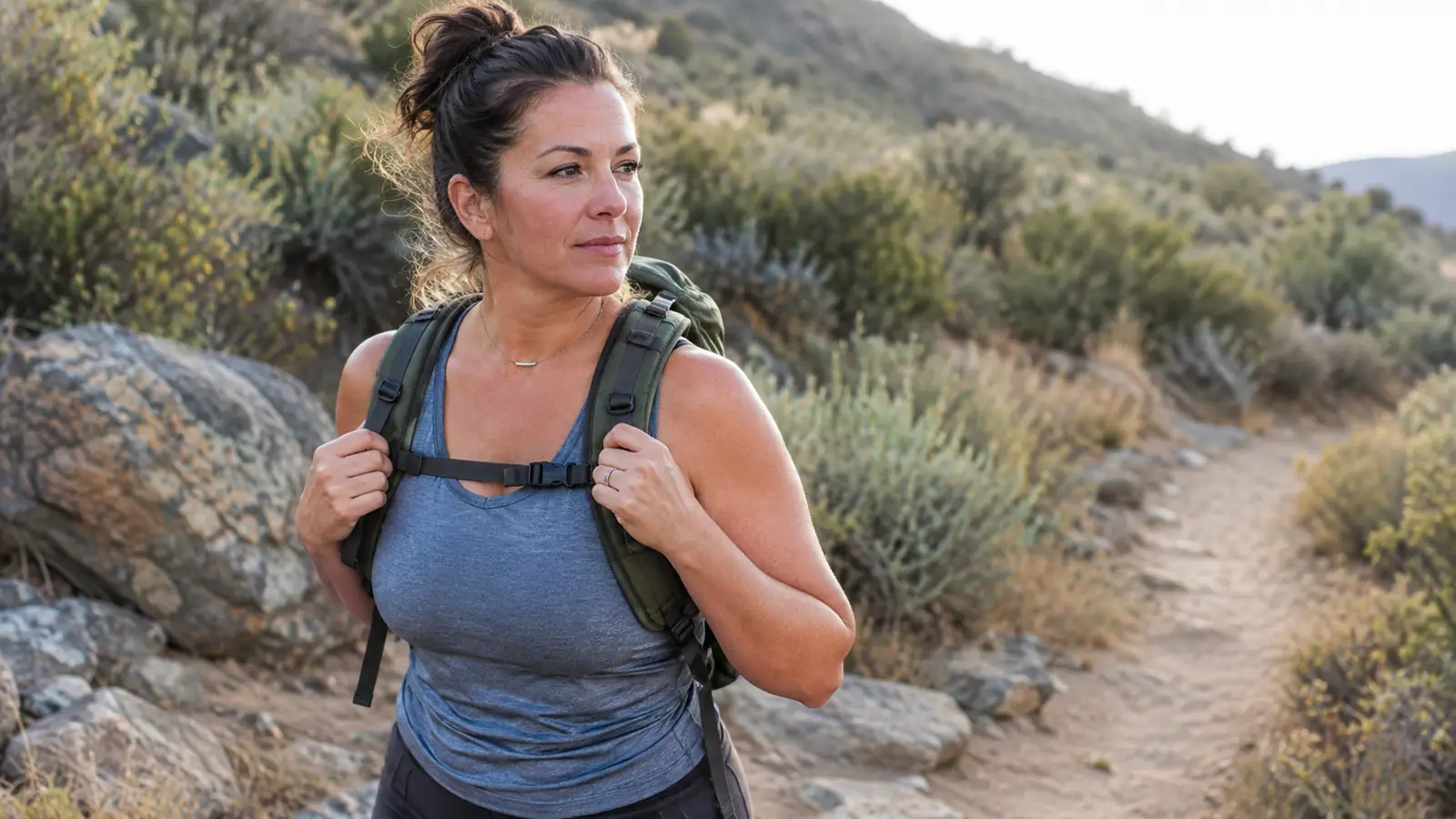
I have a confession to make. I bought the SKYSPER 20L daypack because it was cheap and the reviews were good, and I did not expect much. I am a physical therapy assistant in Boise, I hike the foothills most weeknights and the Sawtooths most weekends, and I have been doing this for about fifteen years. I have owned packs that cost three times as much and fell apart faster. So when I say I carried this one for months of real trail use, I mean it literally: weeknight loops, full-day pushes, a wet October weekend, and a carry-on trip where it was the only bag I brought.
This is the long-term review I wish I had found before I bought it. No studio photos, no claims about what it can do on paper. Just what happened when I loaded it up, put it on, and kept putting it on.
The Quick Verdict
The SKYSPER 20L is the rare budget daypack that earns its place. It is light, organized, and comfortable enough for a full day on the trail, and the only real compromises are a rain cover that struggles in heavy weather and a hip belt that is thinner than I would like.
Amazon Check Today's Price →A 20L daypack that actually earns its place on every hike
After months of foothill loops and Sawtooth weekends, the SKYSPER 20L is the pack I reach for without thinking. Check today's price on Amazon and see if it fits your trail style.
Amazon Check Today's Price on Amazon →How I've Used It
I started testing the SKYSPER in early spring, which in Boise means cold mornings, muddy trails, and the occasional sideways rain. My standard load for a foothill hike is about 8 pounds: a liter and a half of water, a puffy jacket, gloves, a first aid kit, sunscreen, a snack, keys, and my phone. For a full Sawtooth day I add a filter, a headlamp, an extra layer, and a second liter of water, which brings the total to around 12 pounds.
In the first month I wore it on fourteen hikes. By the time the snow hit the high country, I had logged somewhere north of two hundred miles with it. That is not a sponsored mileage claim, it is just what happens when a pack lives in the back of your car and you hike most weekends. I also flew with it as a carry-on for a long weekend trip, which is a test most daypack reviews never mention. That trip was to Portland in June. I packed three days of clothes, a toiletry kit, a book, and my laptop, and it fit under the seat in front of me on the outbound flight. On the way home I added a bottle of wine wrapped in a fleece, and it still closed. It came out of the overhead bin looking the same way it went in.
The pack weighs about a pound and a half empty. I am 5'6" with a short torso, and the straps adjust enough that I can get a snug fit without the hip belt doing much work. Mark, my husband, who is a foot taller, has borrowed it twice and says it rides fine for him too. That range is the first thing that surprised me. The fit held up on the trail too. One Tuesday in late April I took it up Hulls Gulch on a day that started at 38 degrees and ended near 70. I left the car wearing a puffy jacket and gloves over my base load, and by the time I hit the ridge I had both stuffed into the main compartment without emptying anything else. A week later, the same pack carried a rain shell, a beanie, and an extra liter of water when a cold front moved through. Both days it sat the same way on my back, which is the highest compliment I can give a daypack. It does not shift, it does not sag, and it does not make me think about it.
What the SKYSPER 20L Gets Right
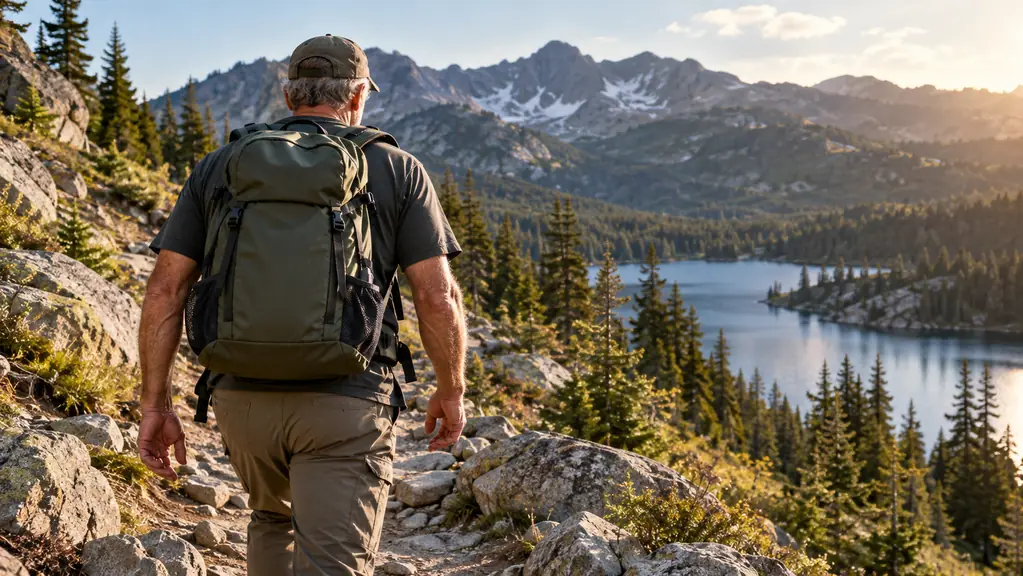
The organization is the best part of this pack. There is a main compartment, a front pocket with internal dividers, two side mesh pockets, a small top pocket, and a hidden pocket on the back panel. I keep my phone in the top pocket, my filter and headlamp in the front dividers, and my keys in the hidden pocket. After two weeks I stopped digging for anything. On a pre-dawn start at the Iron Creek trailhead in June, I needed my headlamp before I was fifty yards from the car. I unzipped the front pocket, found it in the left divider on the first try, and had it on my head without setting the pack down. That does not sound like much until you have owned a pack where everything settles into one dark pit at the bottom. That is the quiet luxury of a well laid out pack: you never think about it.
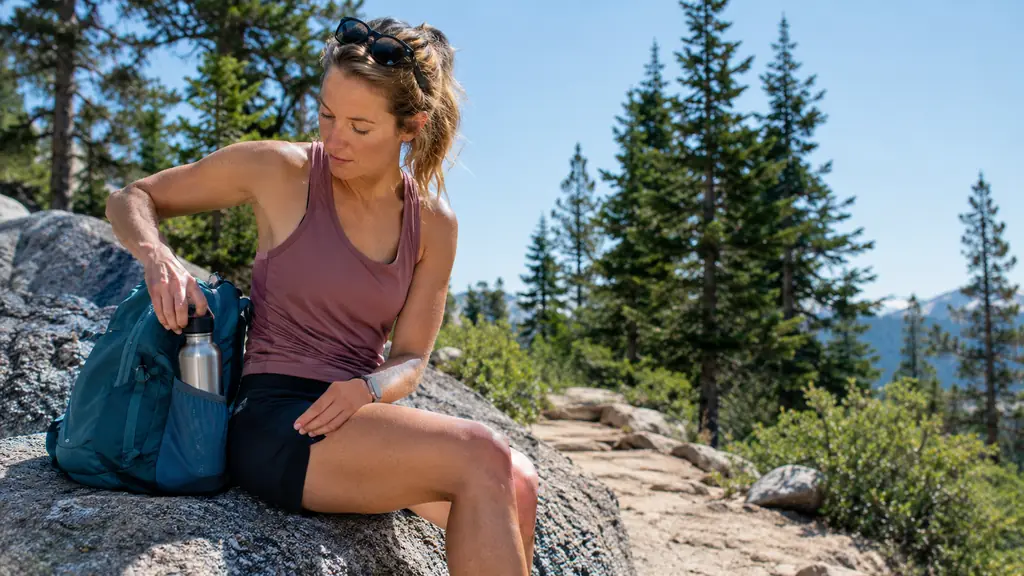
The side pockets are deep enough to hold a liter bottle securely. I have bent over to tie my shoes with a bottle in the pocket and nothing fell out. I have also jammed a 1.5 liter bottle in there on a dry day, and while it sticks out a couple of inches, it stayed put through a mile of class 2 scrambling above Redfish Lake. The front pocket is not quite big enough for a 3L bladder, but it fits a 2L one fine, and the hose port on the top works as advertised.
The back panel has a mesh suspension that keeps the pack off your spine. On a 90 degree August afternoon in the foothills, I noticed the difference. I ran the Camel's Back loop on a day when the temperature hit 92, and at the top my back was damp but not dripping. With my old pack, the foam panel pressed flat against my spine and I would be wringing out my shirt by the time I got back to the car. The mesh also means the pack never sits flat against you, so there is a little airflow on every hike, not just the hot ones. For a pack at this price, that is a real feature, not a marketing line.
After two weeks I stopped digging for anything. That is the quiet luxury of a well laid out pack: you never think about it.
Where It Falls Short
The rain cover is the weakest part of the SKYSPER 20L. It is stowed in a small pocket at the bottom of the pack, which is a good idea, but the cover is thin and it does not fit snugly. The weekend of the first hard snow of the season, in early October, Mark and I planned a loop that put us on a ridge above Stanley for four hours. The rain started as a mist and built into a steady drizzle by noon. When I took the pack off at the car, the cover had slipped a little to one side. The main compartment was mostly dry, but the top of my puffy jacket, packed right under the lid, was damp. My phone, which I keep in the top pocket, stayed dry. So the pack did its job, barely, and I would not trust this cover in a full downpour. I now carry a lightweight pack liner when rain is in the forecast.
The hip belt is also thinner than I would like. It is padded enough for a 10 pound load, and I have carried 12 pounds without real discomfort, but if you regularly hike with a heavy camera kit or a winter load, this is not the pack for you. I noticed it most on a 14 mile day in the Sawtooths in July, when I added a third liter of water and a bear canister rental that I could not leave behind. The load sat around 15 pounds, and by mile ten my shoulders were telling me about it. The hip belt transferred almost nothing to my hips. On the descent I had to stop twice to shift the straps. The shoulder straps are comfortable and the sternum strap is adjustable, but the load transfer is limited. This is a daypack, not a load hauler, and it knows it.
One more thing: the zipper pulls are small. They are easy to grab with bare fingers, but with gloves on a cold morning, they are fiddly. I tried a key ring first, but it rattled against the hardware. I settled on a short length of paracord, about two inches, tied through the hole in each pull. It costs nothing, takes five minutes, and makes the pack usable in November weather. I did the same on the front pocket and the top pocket, and now I can open every compartment with a gloved hand. It is a small fix, but it is worth knowing before you buy.
How It Holds Up Over Time
After months of use, the SKYSPER 20L looks almost new. The fabric has no tears, the stitching is intact, and the zippers still run smoothly. I have washed it once by hand after a particularly muddy weekend. That was after a May hike on the Mores Mountain loop where the trail was still holding snowmelt. I came home with the pack coated in red mud, and I filled the kitchen sink with cool water and a little mild soap. The mesh back panel and the side pockets rinsed clean in about ten minutes. I hung it over the shower rod overnight and it was dry by morning. The zippers did not stiffen, and the fabric did not shrink. It dried quickly without losing its shape. The mesh back panel has not stretched out, which is the thing I expected to fail first.
The one cosmetic issue is the bottom edge. It shows light scuffing from being set down on granite and gravel. The fabric itself is a woven nylon with a slightly textured feel, and the scuffs are mostly in the coating, not the weave. I checked the stitching around the bottom panel after the first month and again after the sixth, and there are no loose threads. The foam inside the back panel has not compressed, which is the other thing I expected to fail. That is normal wear, and it does not affect function. I would rather have a pack that scuffs than one that is too delicate to set down.
I have owned daypacks that started to fray at the seams within a season. My previous pack, a name brand that cost about three times as much, developed a loose stitch on the shoulder strap after about a year, and the mesh pocket on the side tore when a water bottle caught on a door handle. The SKYSPER has been through worse and shows less wear. The fabric feels denser than I expected for the price, and the zippers are the same brand you find on packs that cost far more. I cannot tell you how it will look after five years, but I can tell you that after six months of real use, it looks like it will make it.
Who This Is For
The SKYSPER 20L is for the hiker who wants one pack that does everything: weeknight loops, full day hikes, travel, and the occasional trip to the farmer's market. It is for people who do not want to think about their gear, who want a pack that is light enough to forget and organized enough to find things fast. If you are a weekend hiker, a traveler who hates checked bags, or someone who wants a solid first daypack without spending a fortune, this is a strong choice.
It is also a great pack for anyone with a short torso. I have struggled with packs that are too long for my back, and the SKYSPER adjusts to fit me without the hip belt riding too low. That is rare at any price.
Who Should Skip It
Skip the SKYSPER 20L if you regularly carry more than about 12 pounds. The hip belt is not substantial enough for heavy loads, and you will feel every pound on your shoulders. If you need to carry a large camera body, a tripod, or winter gear, look for a pack with a proper load transfer system.
Skip it if you hike in serious rain. The included rain cover is adequate for a light shower, but not for a day of steady precipitation. If you live somewhere wet, budget for a pack liner or a different pack.
And skip it if you want a pack that looks brand new forever. The bottom scuffs, the zipper pulls are small, and the cover is thin. This is a tool, not a piece of gear you will want to hang on the wall.
What I Liked
- Light at about a pound and a half, easy to forget on your back
- Organization is excellent: front dividers, side bottle pockets, hidden back pocket
- Mesh back panel keeps the pack off your spine in hot weather
- Adjusts well for shorter torsos
- Fabric and zippers have held up through months of regular use
Where It Falls Short
- Rain cover is thin and does not fit snugly
- Hip belt is minimal, so heavy loads ride on your shoulders
- Zipper pulls are fiddly with gloves
- Bottom edge scuffs easily on granite
The pack I keep reaching for, hike after hike
The SKYSPER 20L is not perfect, but it is the pack I grab first for everything from a quick foothill loop to a full day in the Sawtooths. Check today's price on Amazon and see if it fits your trail style.
Amazon Check Today's Price on Amazon →