
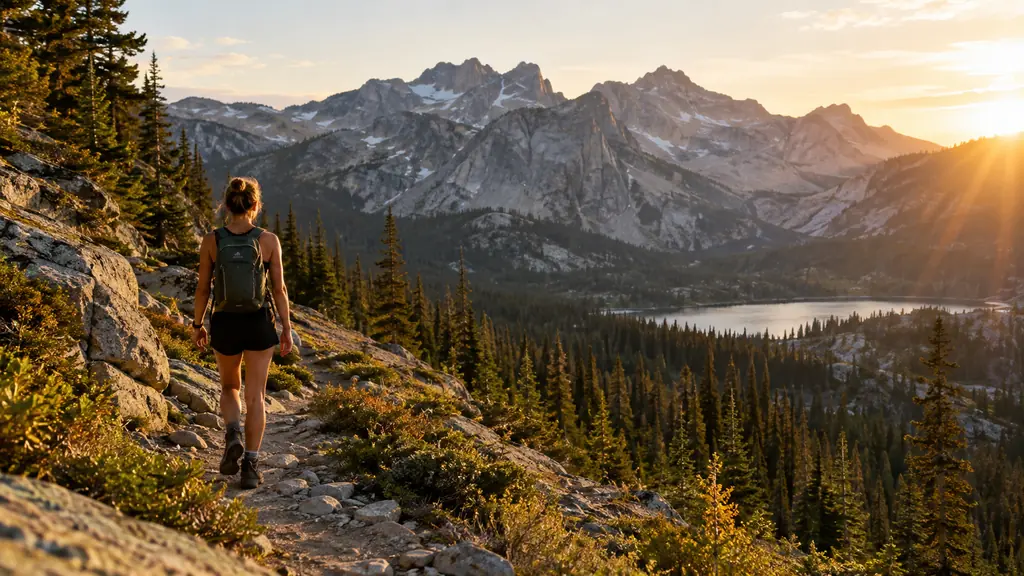
Last June I decided my old pack had earned its retirement. Fifteen years of weekend hikes in the Boise foothills and the Sawtooths had worn the straps thin, and my left knee had started complaining on long descents no matter how I loaded it. I wanted one thing: a small daypack that carried water, layers, and lunch without shifting around on my short torso. I ordered the SKYSPER 20L on a Tuesday and took it up a canyon trail that Saturday. By October it was the only pack I reached for.
I'm Nora. I hike most weekends, I work as a physical therapy assistant, and I have very little patience for gear that needs a manual. The SKYSPER Small Hiking Backpack is not fancy. It does not have a dozen pockets or a built-in rain cover or a whistle on the sternum strap. What it has is a simple layout that works: one main compartment, a padded laptop sleeve that doubles as a hydration sleeve, two mesh side pockets, and a front pocket that swallows a light jacket.
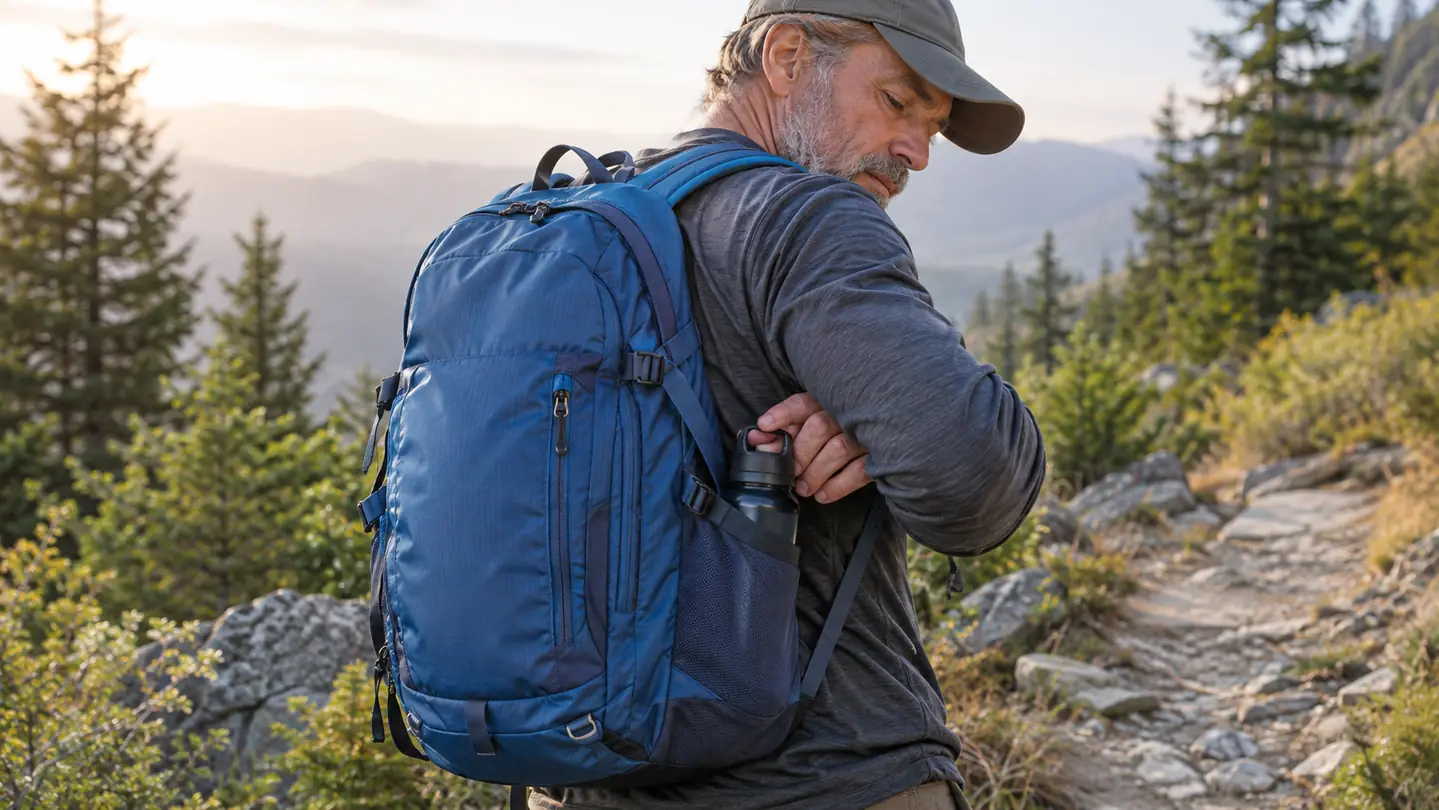
I carried it on at least twenty-five hikes between June and October. A few of those were long Saturday routes in the Sawtooths with 2,000 feet of climbing. Most were shorter evenings in the foothills with Mark, my husband, who still refuses to believe a 20-liter pack can hold two rain shells, a first aid kit, and a thermos of coffee. It can. It does. The compression straps pull the load flat against my back, which matters when you are 5'6" with a short torso and every pack on the market seems cut for someone six inches taller.
The shoulder straps are lightly padded and shaped in a way I did not expect to notice. They curve inward at the top, so nothing digs into the notch of my neck. The sternum strap sits at a height I can actually reach, and the hip belt is minimal, which is fine for a 20-liter pack. I am not asking it to carry a week of gear. I am asking it to carry three liters of water, a sandwich, and a puffy, and to stay put while I scramble over rocks.
Here is the part I kept waiting to be disappointed by: the fabric. The SKYSPER is a lightweight pack, and lightweight packs often feel like they will shred on the first granite boulder. After a full season of brushing against pine bark, sitting on wet rock, and getting tossed into the back of our Subaru Outback, the pack still looks like it did in July. The zippers have not jammed. The mesh side pockets have not stretched out. The stitching on the load lifters has not pulled. I checked, because that is the first place cheap packs fail.
After a full season of pine bark, wet granite, and the back of a Subaru Outback, the stitching still had not pulled.
The pack I stopped thinking about halfway up the trail
If you want a small daypack that disappears on your back, this is the one I kept reaching for all season.
Amazon Check Today's Price on Amazon →One rainy Saturday in September, we got caught above the treeline in a squall that came in fast. I had not brought a rain cover, because I never bring a rain cover. My down jacket was in the front pocket, and I assumed it would be soaked by the time we got down. It was not. The fabric repelled the rain well enough that the jacket stayed dry, and the pack itself weighed barely more when we reached the car. I would not call it waterproof, and I would not trust it in a proper downpour, but for a daypack that is not what I need it to be.
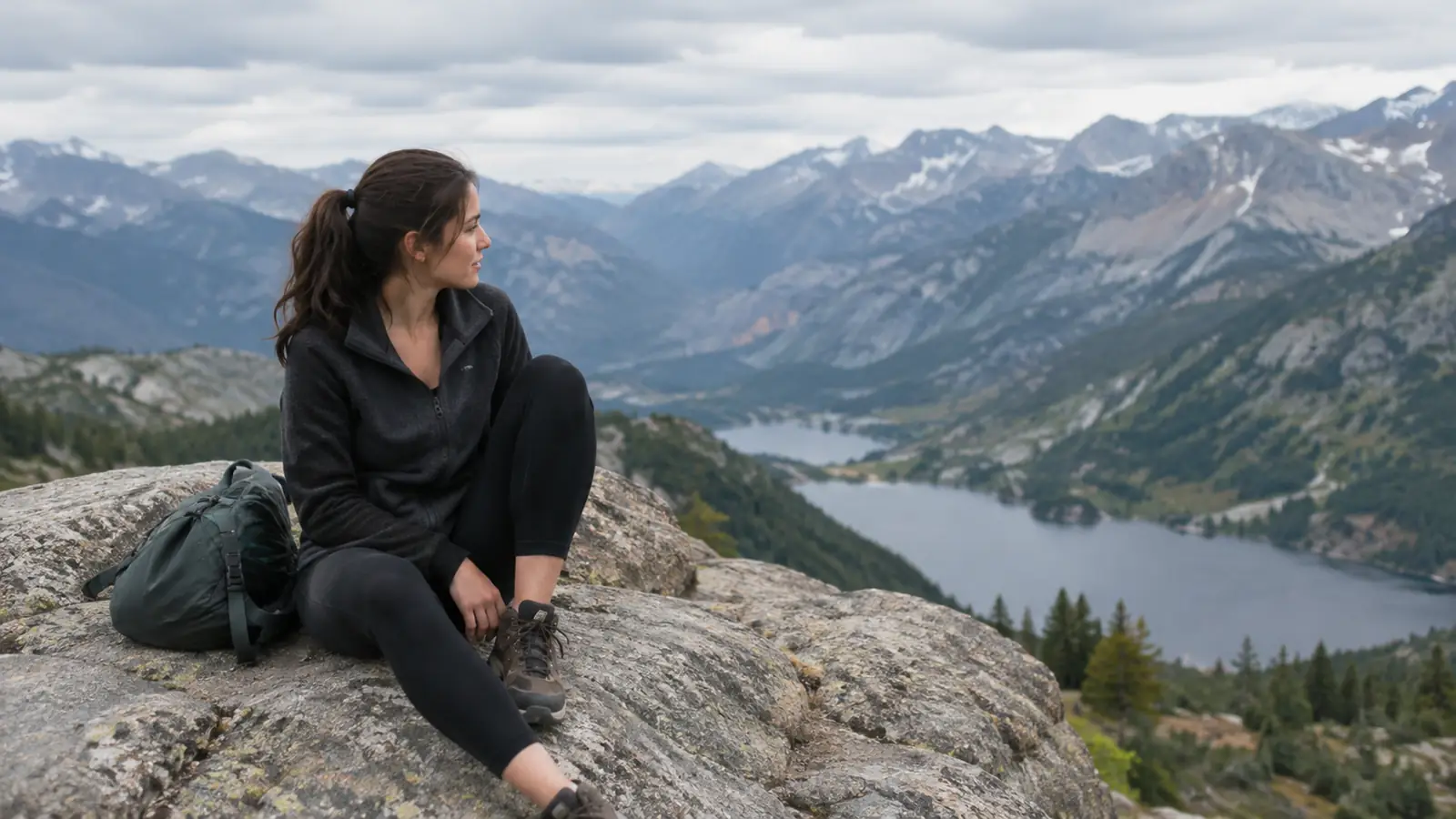
The water bottle pockets deserve their own paragraph. I have owned packs where the side pockets are so tight you need two hands and a grunt to get a bottle out. These are angled slightly forward, so I can reach a bottle with one hand while walking, which is the single most underrated feature in hiking gear. On descents, where my left knee needs me to keep a hand free for my trekking pole, that matters more than you would think.
There are things I would change. The front pocket is not quite big enough for a paperback and a hat at the same time. The sternum strap has no whistle buckle, which I did not miss until I wanted it. And if you carry a camera with a zoom lens, you will be digging it out of the main compartment every time you want a photo. None of these stopped me from grabbing the SKYSPER every single weekend, but they are honest tradeoffs, and you should know them before you buy.
I also want to be clear about what this pack is not. It is not a backpacking pack. Twenty liters is a daypack size, and if you are trying to fit a sleeping bag and a stove in here, you will be disappointed. It is not a technical climbing pack, and the frame is soft, so you should not haul anything heavy and angular in it. For what it is, a light, comfortable, well-organized daypack for hikes that start at a trailhead and end the same day, it is genuinely good.
What I'd Tell You If We Were Sitting at My Kitchen Table
If you came over to my house in Boise and asked me about the SKYSPER 20L, here is what I would say. Buy it if you want one simple pack for weekend hikes, travel days, and the kind of walk where you bring more layers than you think you need. Buy it if you are tired of packs that dig into your neck or slide around on your back. Do not buy it if you need a suspension system for a heavy load, and do not buy it expecting a brand name that costs three times as much.
I have been hiking long enough to know that the best gear is the gear you stop noticing. The SKYSPER earned that. It sits on my back, carries what I need, and gets out of the way. I reached for it every weekend this season, and I will reach for it next season too. That is the whole review.
Your next trail day starts with a pack that fits
The SKYSPER 20L is the daypack I kept reaching for all season. Check today's price and see if it fits your next hike.
Amazon Check Today's Price on Amazon →