
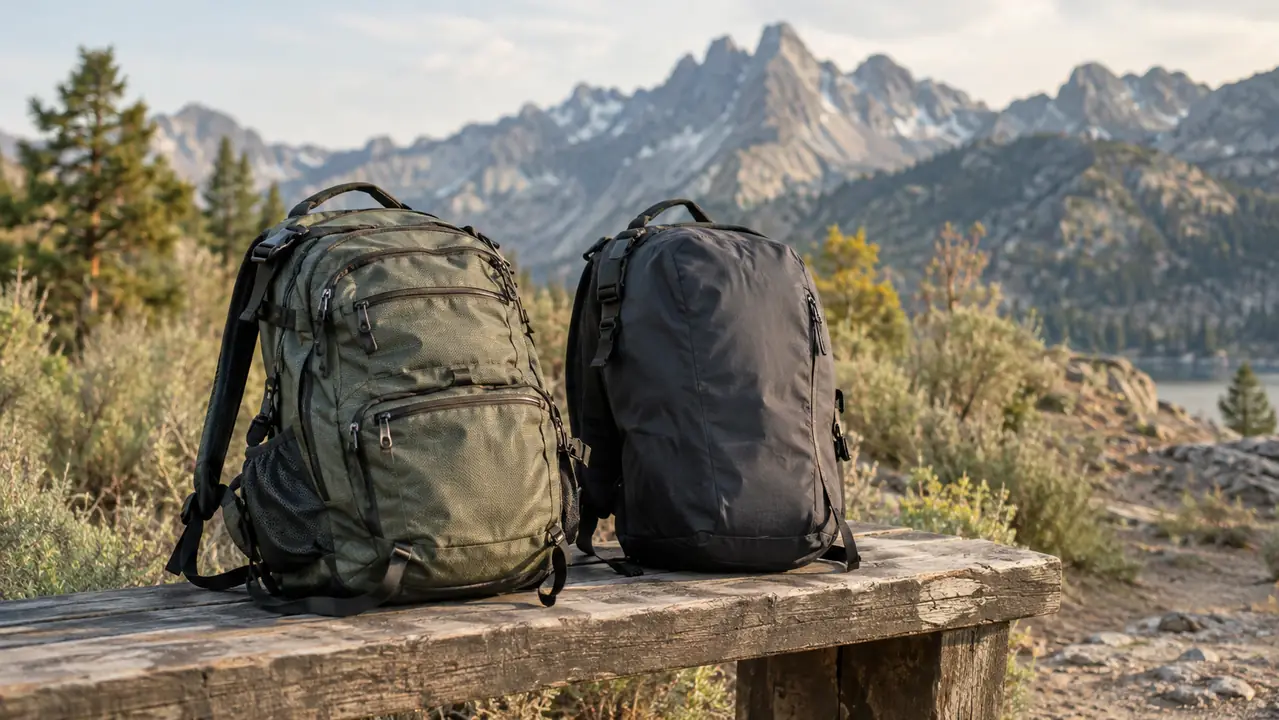
I've carried the SKYSPER 20L daypack on most of my weekend hikes for the past two months, and I've borrowed my husband Mark's Osprey Daylite for several of the same trails to compare them side by side. We live in Boise, Idaho, which means I can test a pack on a dusty foothill loop on a Tuesday night and then drive up to the Sawtooths for a full day on granite. The short answer: if you want a pack that organizes your gear and does double duty for travel, the SKYSPER is the better value. If you want the most comfortable minimalist pack for long days on the trail, the Osprey Daylite is the one I'd reach for.
That's not a cop-out. These are genuinely different tools, and the right choice depends on how you hike. I'm 5'6" with a short torso, and I manage a left knee on long descents, so fit and weight distribution matter to me as much as pocket layout. On the same loop in the Boise foothills, I loaded both packs with the same gear: 2 liters of water, a puffy jacket, a first aid kit, sunscreen, a snack bag, and a rain shell. I weighed both packs on a kitchen scale, wore each one for at least 30 miles total, and took notes on what rubbed, what bounced, and what I had to dig for.
| SKYSPER 20L | Osprey Daylite | |
|---|---|---|
| Price | Lower cost, especially when it goes on sale | Higher price for the name and warranty |
| Organization | Main compartment, front zip organizer, two side water bottle pockets, small top pocket | One main compartment, one front pocket, two side pockets |
| Comfort | Suspended mesh back panel with light padding, fine for a few hours | Shaped foam back panel that breathes well and carries weight closer to your back |
| Weight | A bit heavier because of the extra pockets and padding | One of the lightest 20L packs you can buy |
| Rain cover | Included in the bottom pocket | Not included, sold separately |
| Warranty | Standard one year | Osprey's All Mighty Guarantee covers any damage for any reason |
| Best for | Travel, commuting, and day hikes where you need to stay organized | Minimalist day hikes and a pack that disappears on your back |
Where SKYSPER Wins
The SKYSPER wins on organization, plain and simple. The front panel unzips like a clamshell, which means I can see my sunscreen, sunglasses, and map without digging to the bottom. The two side pockets hold water bottles securely, and the little top pocket is perfect for keys and a headlamp. On a recent trip to the Sawtooths, I packed a light day hike in the main compartment, a puffy in the front pocket, and a snack bag in the top pocket, and I never had to take the pack off to find anything. That sounds like a small thing, but when you are standing on a windy ridge and the temperature is dropping, knowing exactly where your gloves are is worth a lot.
It also wins on value. You get a lot of features for the money: the rain cover, the chest strap, the multiple pockets, and a luggage pass-through that makes it a solid carry-on companion. I flew to Portland with it as my only bag and used the same pack for a two hour hike the next morning. That kind of versatility is hard to beat at this price point. I am not quoting a price because it changes, but it is consistently below what the Osprey costs, and the gap is big enough that you could buy the SKYSPER and still have money left for a good pair of socks.
The fabric also surprised me. After six weeks of rubbing against granite, sagebrush, and the floor of an airplane overhead bin, the SKYSPER shows only light scuffs. The zippers are smooth, and the stitching on the shoulder straps has not pulled. I did not expect that from a budget pack, and it has held up better than some packs I have owned at twice the price.
Where Osprey Daylite Wins
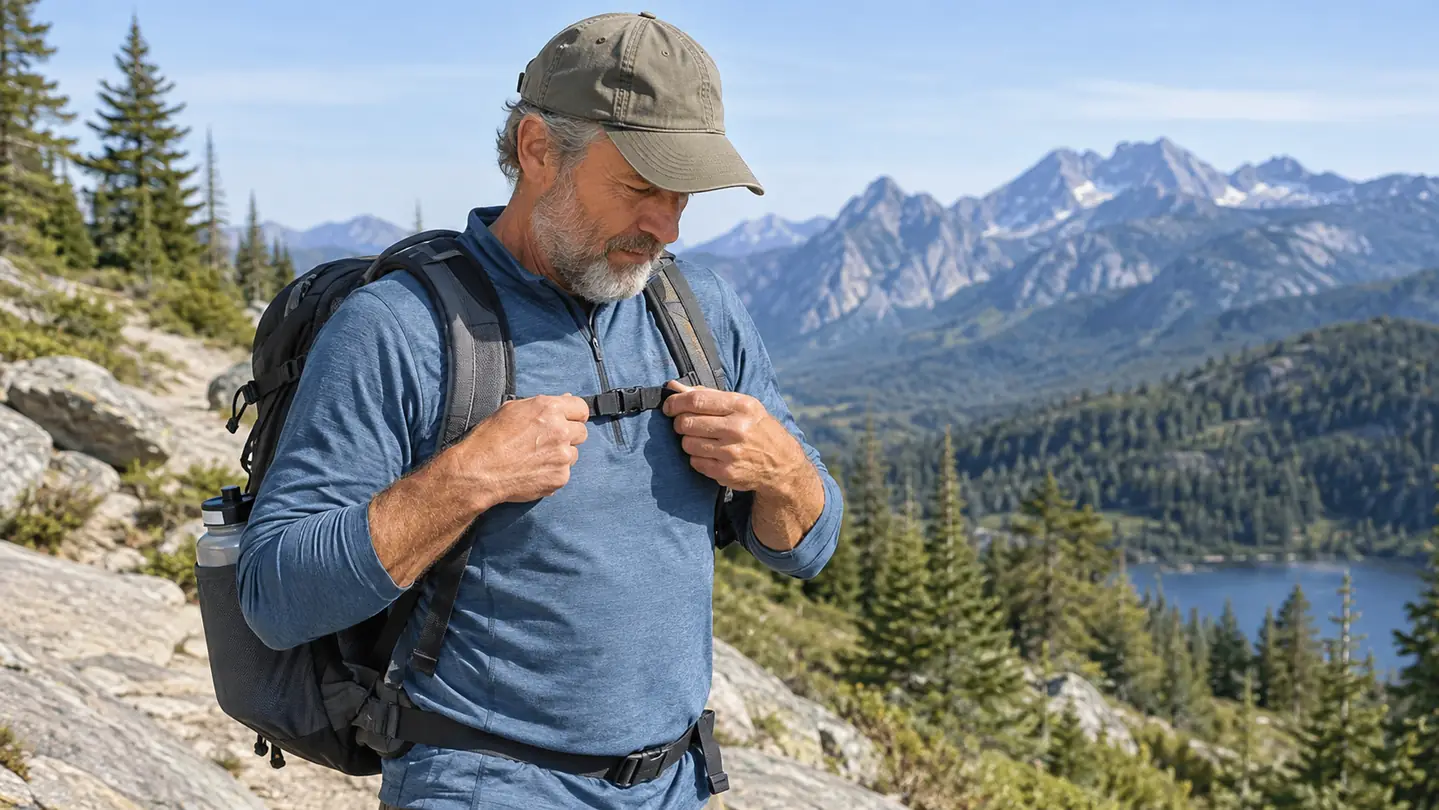
The Osprey Daylite wins on comfort, and it is not close. The back panel is shaped to follow your spine, and the foam is firm enough that a full load does not sag against your lower back. On a 9 mile loop in the Sawtooths with 2,100 feet of climbing, I forgot I was wearing it, which is the highest compliment I can give a daypack. The shoulder straps are also better shaped for a short torso like mine, and the sternum strap sits at a natural height. On the SKYSPER, the straps felt a little wide and the back panel ran a touch long for my torso, even with the adjuster cinched.
It also wins on weight and warranty. The Daylite is lighter than the SKYSPER, which matters when you are carrying it for eight hours. The difference is only a few ounces, but you feel it at the end of a long descent. And Osprey's All Mighty Guarantee means that if a zip breaks or a strap rips, they repair or replace it for free, no receipt questions. That kind of backing is worth something if you plan to keep a pack for a decade. I have owned Osprey bags that lasted through years of abuse, and the warranty is not marketing fluff.
The Osprey is also simpler, which is a feature. There is one main compartment, one front pocket, and two side pockets. You cannot overthink what goes where because there are not many places to put things. For a pure day hike, that simplicity is calming. I grabbed the Daylite on a drizzly morning and was out the door in thirty seconds, with my jacket in the main compartment and my phone in the front pocket.
If you want the organized all rounder, the SKYSPER is your pack.
I have carried this pack on trail and through airports, and it keeps everything where I can find it. The included rain cover has saved me twice already. Check today's price on Amazon and see if the current color and size work for you.
Amazon Check Today's Price on Amazon →How I Tested
I tested both packs over six weeks in June and July. Weekday evenings I did 4 to 5 mile loops in the Boise foothills, carrying the same load in each pack on alternating days. On weekends I took them into the Sawtooths on longer routes, including one 9 mile day with a summit push and one rainy afternoon where the rain cover got a real workout.
I weighed both packs on a kitchen scale, loaded them with identical gear, and wore each one for at least 30 miles total. I also sprayed both with a hose to see how the fabric shed water, and I checked the zippers, straps, and stitching after each trip. My criteria were simple: does it carry well, does it organize well, and would I trust it on a long day when the weather turns.
I should also say that I am not a gear reviewer by trade. I am a physical therapy assistant, and I hike most weekends because I love it, not because I am trying to sell you something. That means I test packs the way you would: I load them with my actual stuff, I wear them on actual trails, and I pay attention to the small annoyances that show up after a few miles.
The Details That Matter
The SKYSPER's main compartment is a little boxy, which is fine for packing cubes and a puffy, but it does not hug your back the way a curved pack does. That is the tradeoff for all that organization. If you are the kind of hiker who stuffs a jacket in loosely and goes, the Osprey's simple bucket shape is easier to live with.
The Osprey's side pockets are tight. My 1 liter Nalgene fits, but a wide bottle is a struggle. The SKYSPER's side pockets are more forgiving and have a small cinch to keep bottles from falling out. Little things like that show up after a few miles, not in the store.
Neither pack has a proper hip belt. The SKYSPER has a simple webbing strap that does almost nothing, and the Osprey's removable hip belt is thin. On a 20L pack that is fine, because you should not be carrying more than about 10 to 12 pounds. Keep your load light and both packs will be comfortable.
The rain cover is the biggest practical difference. The SKYSPER stores one in a small pocket at the bottom, so it is always there when the sky opens up. The Osprey does not include one, and the official Osprey rain cover costs extra and adds bulk. If you hike in a place where afternoon thunderstorms are normal, that alone might decide the matchup.
Fit and Sizing
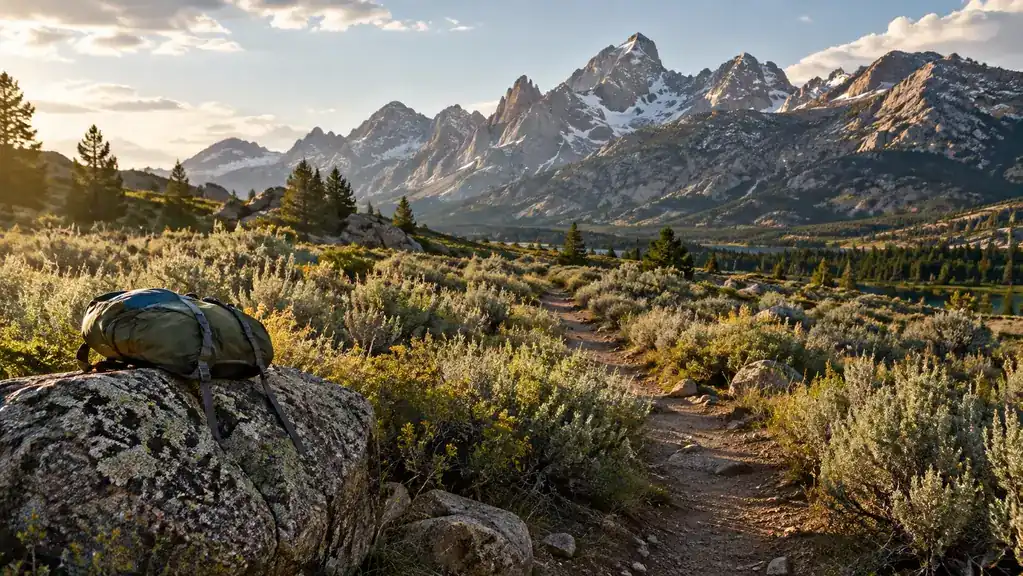
I have a short torso, and neither pack is adjustable for torso length, which is normal at this size. The SKYSPER's back panel is a little long for me, but the shoulder straps have enough adjustment that I can make it work. The Osprey's back panel is shorter and sits higher, which suits my frame better. If you are tall, the opposite might be true, so try both with a loaded pack if you can.
Both packs have a sternum strap that adjusts, and both have a small loop for a hydration tube. The SKYSPER has a dedicated hydration sleeve inside, while the Osprey has a simple sleeve that works with most reservoirs. I used a 2 liter bladder in both and had no issues with tube routing.
Alternatives I Considered
I also spent a little time with the Osprey Daylite Plus, which is the bigger sibling with an extra pocket and a laptop sleeve. It is a nice pack, but it costs more and weighs more, and for a pure day hike the extra organization was not worth it. The SKYSPER gives you similar organization for less money, which is why it stayed in the comparison.
I considered a few other budget packs on Amazon, but most of them felt flimsy at the zippers or had shoulder straps that dug in after a couple of miles. The SKYSPER is the rare budget pack that does not feel like a compromise. The fabric is thicker than I expected, and the stitching has held up through a full summer of use.
Who Should Buy Which
Buy the SKYSPER if you want one pack that moves between trail and airport, if you like pockets, and if you want a rain cover without paying extra. Buy the Osprey Daylite if you want the lightest, most comfortable minimalist pack for dedicated day hikes, and if you value a lifetime warranty over a few extra pockets.
For most people, I would point them to the SKYSPER first, because it does more for less. But the Osprey is the one I grab when the hike is the whole point and I want the pack to disappear. If your budget is tight, the SKYSPER is the easy call. If you already own Osprey bags and trust the warranty, the Daylite is a safe bet.
The Bottom Line
After 30 miles in each pack, here is where I land. The SKYSPER is the better buy for most people because it does more for less. It organizes your gear, includes a rain cover, and doubles as a travel bag. The Osprey Daylite is the better buy if you want a lighter, more comfortable pack for dedicated day hikes and you plan to keep it for a decade.
Neither pack is perfect. The SKYSPER's back panel runs a little long for short torsos, and the Osprey's lack of organization and missing rain cover are real drawbacks. But if you match the pack to the way you actually hike, you will be happy with either one. I reach for the SKYSPER most weeks because it fits my life, not just my trail.
Still deciding? Take the SKYSPER on its first trail.
It is the pack I reach for most weeks, and the organization has saved me more than once when the weather changed fast. The rain cover is included, and the price is hard to argue with. Check today's price on Amazon to see if it fits your gear.
Amazon Check Today's Price on Amazon →