
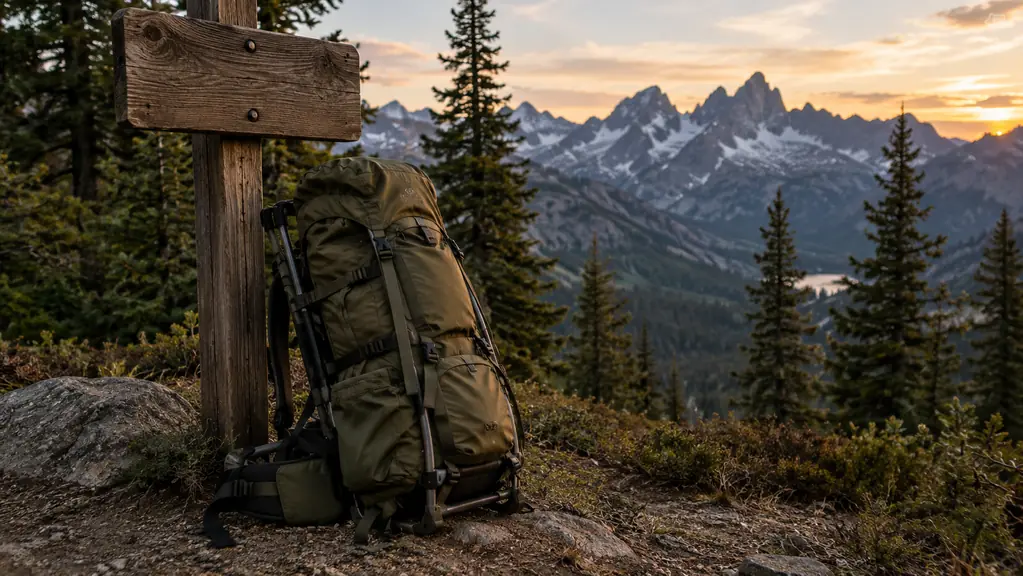
I had owned the TETON Sports Explorer 65L for exactly nine days when I decided it was time to trust it. Mark and I had a two-night trip planned in the Sawtooths, the kind where the weather forecast keeps changing and you end up packing for every season. My old pack was fine for a night or two, but I knew I wanted more room and better support for the climbs we had planned. So I loaded the Explorer, checked the fit twice, and drove east out of Boise with the rain already starting.
This is the part of gear testing that does not show up in a spec sheet. The first overnight with a new pack is a conversation between you and it. You tighten something, it complains. You loosen something else, it settles. By the time we reached the trailhead, I had already made three adjustments to the shoulder straps and one to the hip belt, and I was glad I had done it in the driveway instead of halfway up a switchback.
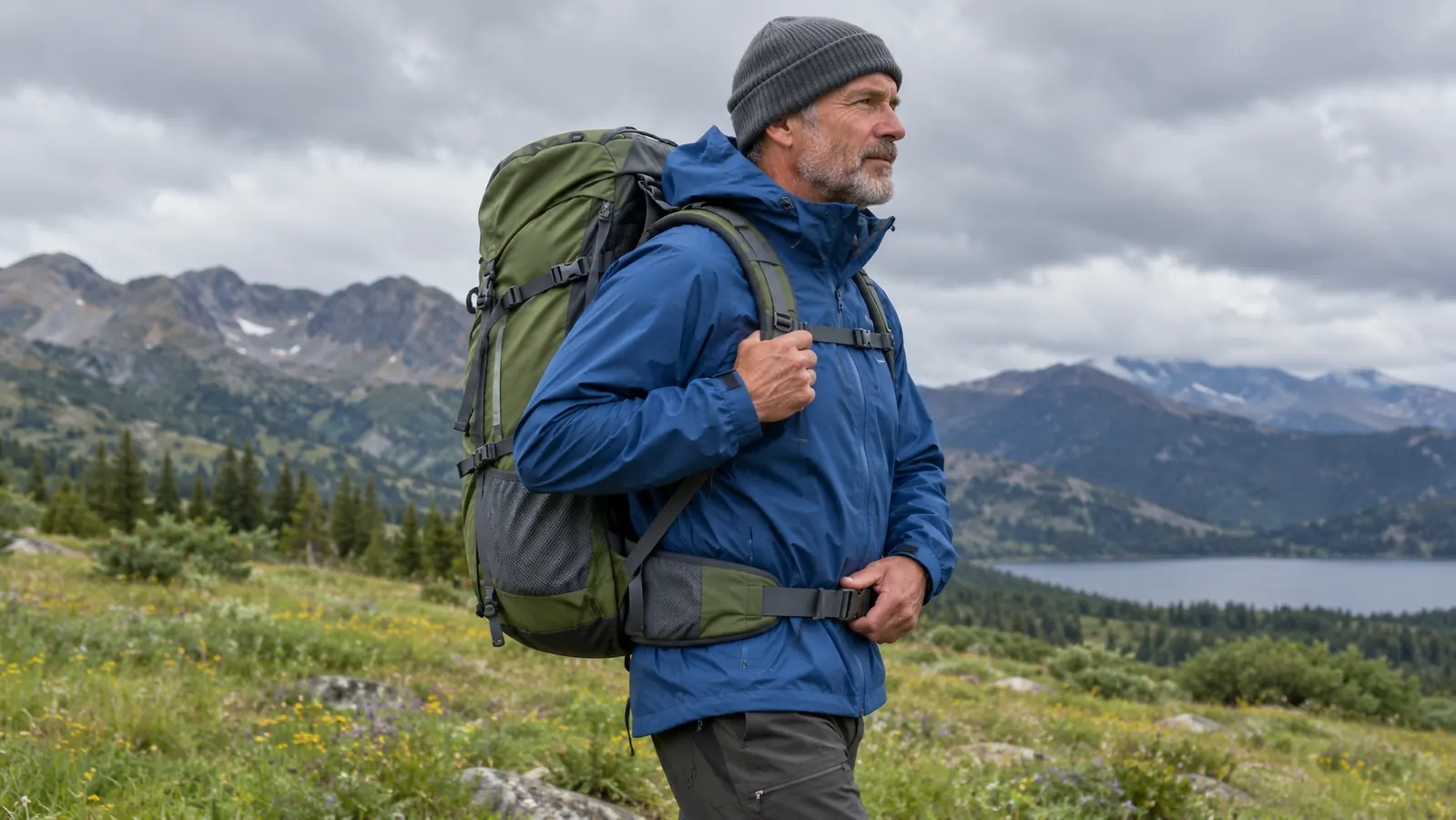
The trail started with a steady climb through lodgepole pine, and the pack rode higher than I expected. I am 5'6" with a short torso, and I have spent years fighting packs that slip down onto my hips. The Explorer's frame and the adjustable torso system made a real difference. I set it for my torso length, cinched the hip belt, and the weight settled where it belonged: on my hips, not my shoulders. That first hour told me more than any online review could.
By the time we reached the lake, the rain had caught us. I was wearing a rain jacket over my fleece, and the pack was carrying everything else: the tent, the sleeping bags, the stove, food for two days, and a surprising amount of wet gear. The Explorer swallowed it all without feeling like a barrel strapped to my back. The load was maybe thirty-five pounds, and I could still turn my head to check the trail behind me. That matters more than people think.
The pack rode higher than I expected, and the weight settled where it belonged: on my hips, not my shoulders.
The pack I now reach for every weekend
After two days of rain, rock, and 4,000 feet of climbing, the TETON Explorer 65L earned its place in my gear closet. If you are shopping for a first overnight pack, this is where I would start.
Amazon Check Today's Price on Amazon →The second day started dry and ended cold. We broke camp early, and I packed the wet tent on the outside of the pack using the compression straps. That was the moment I started to appreciate the details. The side pockets held my water bottles and a filter without drama. The top pocket swallowed my headlamp, sunscreen, and a map. The sleeping bag compartment at the bottom meant I did not have to unpack everything to find my pillow. Small things, but they add up over a long day.
I will also tell you what I did not love. The hip belt pockets are small. They fit a phone and a snack bar, and that is about it. The sternum strap took me a few tries to adjust one-handed while wearing gloves. And the pack is not light. It is a sturdy, well-built frame pack, and it carries weight better than many lighter packs I have tried, but if you are counting every ounce, this is not the pack for you. I have never been that hiker, and I do not pretend to be one.
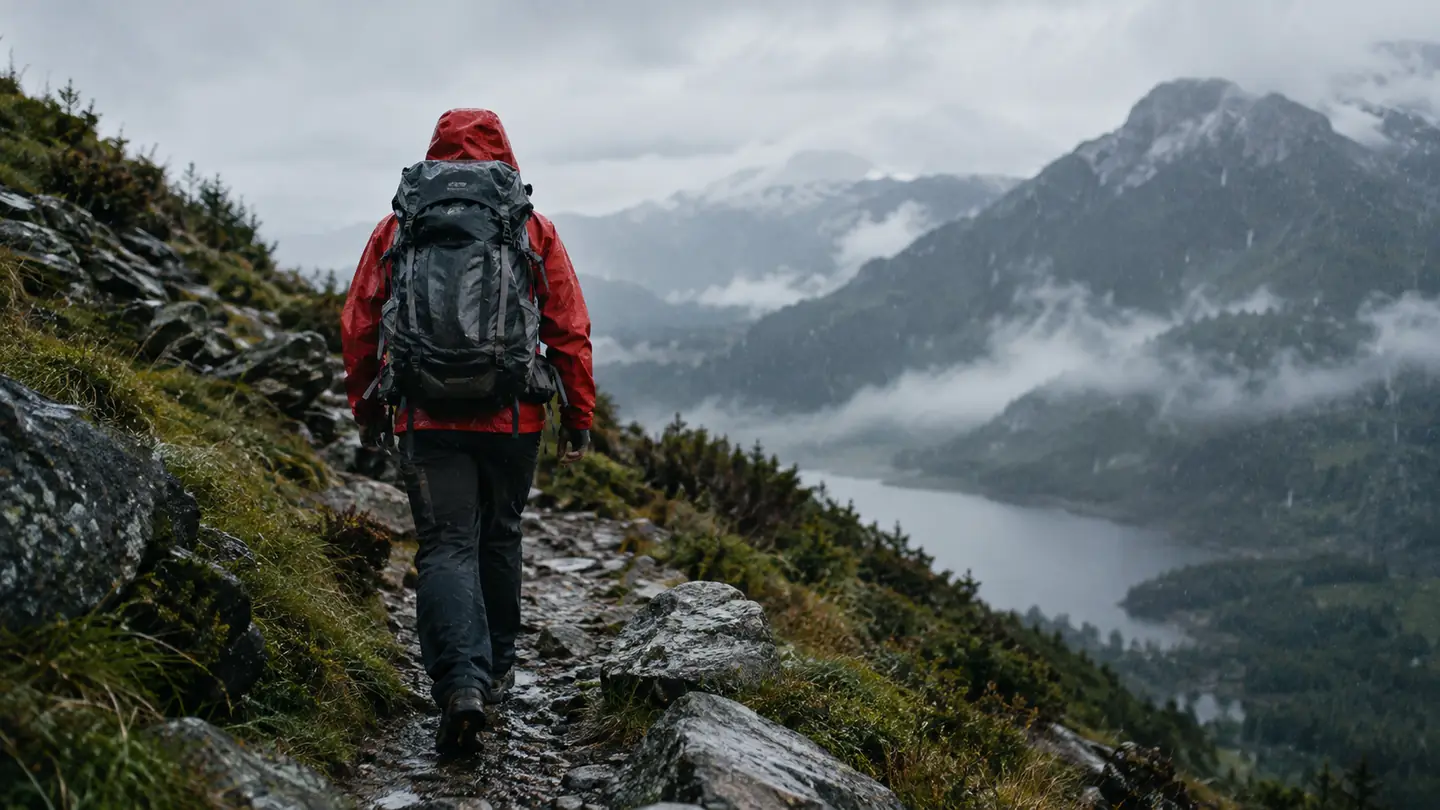
The descent was the real test. My left knee needs management on long downhills, and a pack that shifts weight forward makes it worse. The Explorer stayed put. The hip belt held the load tight against my body, and I could feel the difference in every step. Mark, who carries a different brand, asked me twice how the pack was doing. Both times I gave him the same answer: it is doing its job, and I am not thinking about it.
We made it back to the car as the sky opened up again. I leaned the pack against the bumper of the Subaru and looked at it for a minute. Nine days earlier I had unboxed it in my living room and wondered if I had made the right choice. Now I had my answer. The TETON Sports Explorer 65L is not a pack that tries to impress you with clever features. It is a pack that quietly does what you ask of it, and it does that very well.
What I'd Tell You If We Were Sitting at My Kitchen Table
If you are new to overnight hiking, here is the honest version. You do not need the most expensive pack. You need one that fits your torso, carries weight on your hips, and has room for the gear you actually own. The TETON Sports Explorer 65L gives you all three at a price that leaves money in your pocket for the rest of your kit. I would buy it again, and I do not say that about much gear.
If you are an experienced hiker who has already found your perfect pack, you do not need this one. Keep what works. But if you are still searching, or if your current pack leaves you sore at the end of the day, give the Explorer a real try. Take it on a short overnight first, like I did. Adjust it in your driveway, not on the trail. And let it earn your trust the same way it earned mine.
Start your first overnight with a pack you can trust
The TETON Explorer 65L handled rain, rock, and a full two-day load without complaint. If it works for my short torso and my picky left knee, it is worth a look for your next trip.
Amazon Check Today's Price on Amazon →