
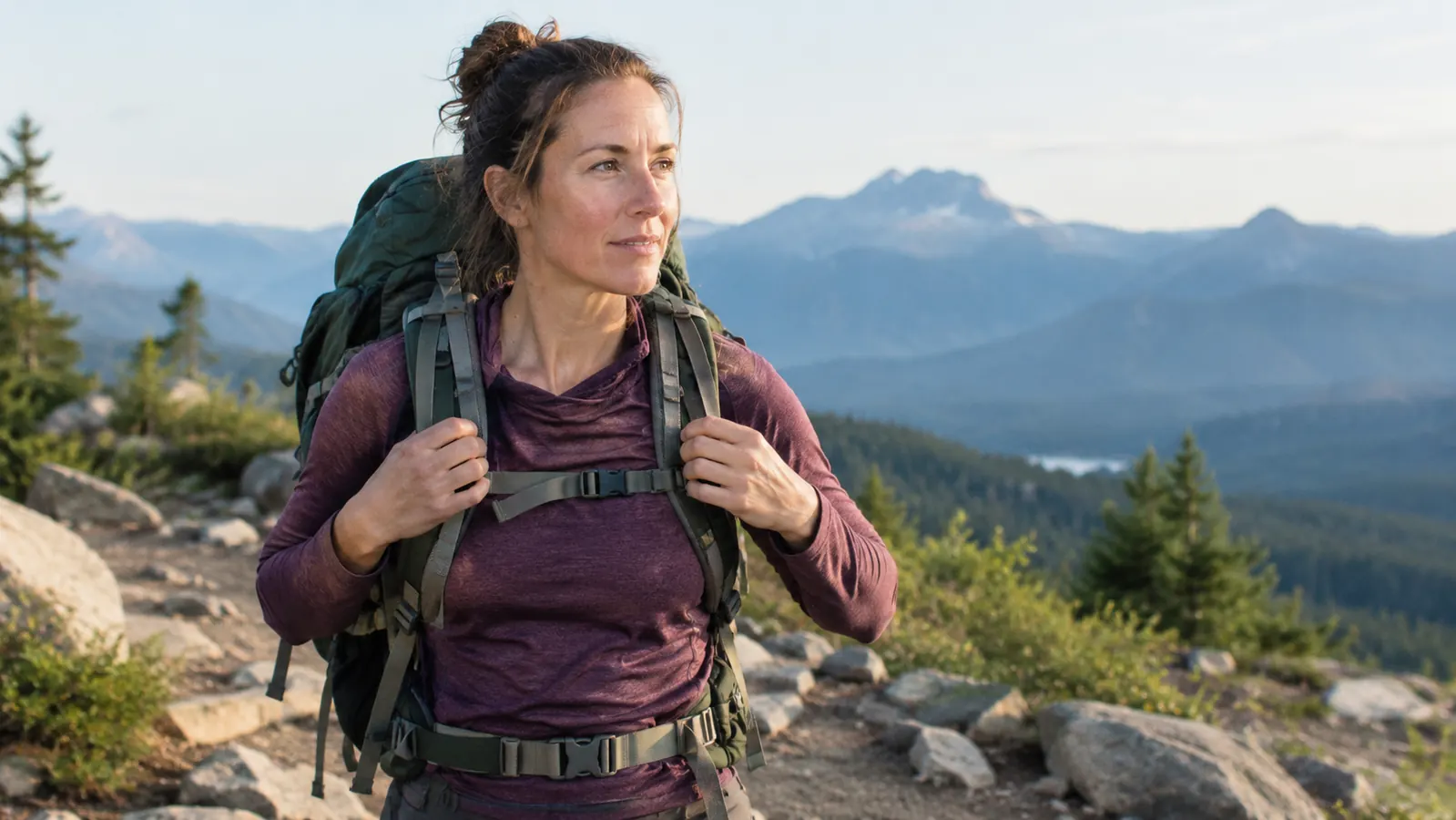
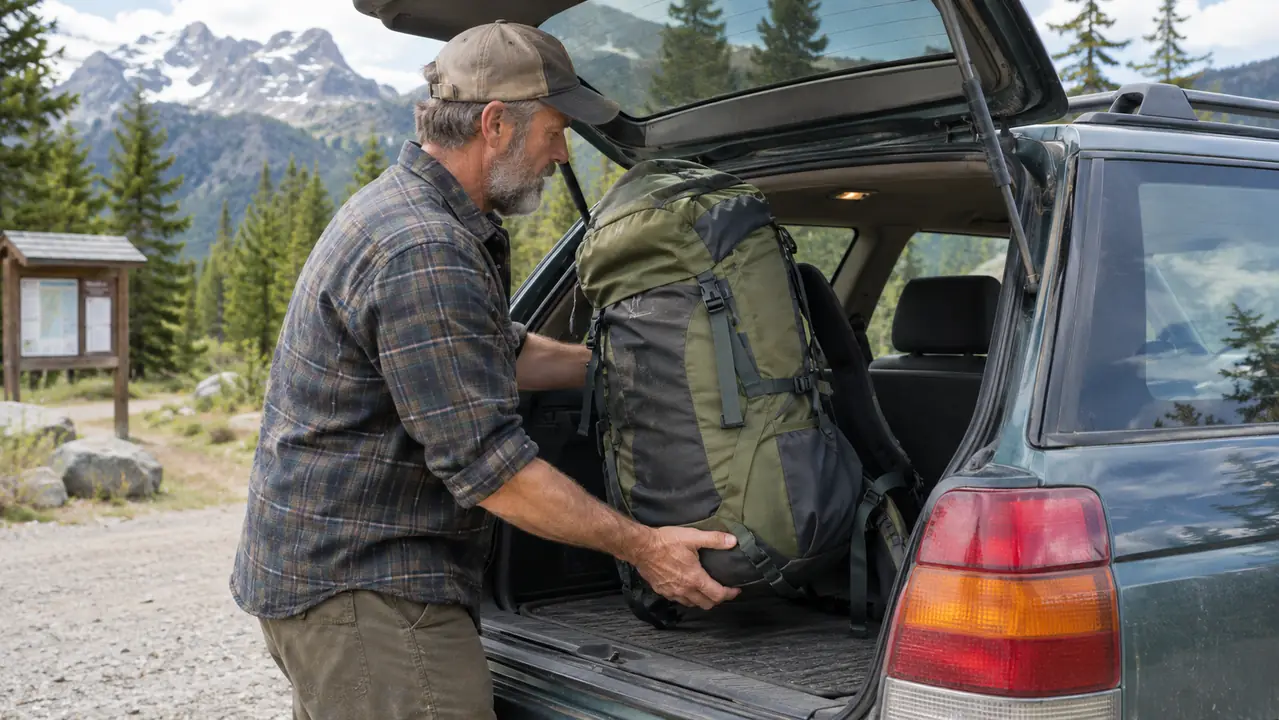
If you are weighing a TETON Sports Explorer 65L against an Osprey backpacking pack, you are really asking one question: do you want the name everyone recognizes, or do you want the pack that gets you down the trail without emptying your wallet? I have spent the last three months carrying the TETON Sports Explorer 65L through the Boise foothills, over Sawtooth passes, and on a wet week in the Wind Rivers. I am 5-foot-6 with a short torso, and my left knee makes me pay attention to how a pack transfers weight. My husband Mark and I load the older Subaru Outback most Friday nights and drive until the pavement ends. The short answer: the TETON Sports Explorer 65L is the better buy for most hikers, but the Osprey is the better pack for a specific kind of hiker. Here is the long answer.
I tested both packs on the same trails. The Osprey Atmos AG 65 belongs to a friend who let me carry it for a full weekend in the Sawtooths. The TETON Sports Explorer 65L has been mine for three months, about 200 trail miles, with loads from 18 to 35 pounds. I packed them the same way, weighed them on the same scale, and took notes on fit, sweat, and how my lower back felt at the end of the day.
| TETON Sports Explorer 65L | Osprey Atmos AG 65 | |
|---|---|---|
| Price | Often a fraction of the cost of a premium pack | Premium price, often two to three times more |
| Fit | One torso size with adjustable straps; works for average builds but short torsos need help | Multiple torso sizes plus an adjustable hip belt; easier to dial in for a 5-foot-6 frame |
| Weight | Heavier, around 4.5 pounds before you add anything | Lighter, around 4 pounds, and the weight carries closer to your body |
| Suspension | Solid internal frame that transfers load to the hips without flexing | Atmos suspension with a trampoline back panel; more breathable on hot climbs |
| Durability | Thick fabric and heavy zippers; built to be thrown around | Lighter fabric that is still tough but feels less burly |
| Warranty | Limited lifetime warranty | All Mighty Guarantee covers any damage for any reason |
| Best for | Budget-conscious hikers who want one pack for everything | Hikers who want a precise fit and are willing to pay for it |
Where TETON Sports Explorer 65L Wins
The TETON Sports Explorer 65L wins on value, and value is not a dirty word. For roughly half the cost of an Atmos, you get a 65-liter internal frame pack with a padded hip belt, a frame that actually transfers load, and a fabric that does not flinch when you drop it on granite. I have scraped mine against rocks, shoved it under bus seats, and checked it as luggage on a flight to Wyoming. The zippers still run smooth and the stitching is intact.
It also wins on simplicity. The Osprey has a lot of small adjustments, which is great when they work and annoying when you are trying to get out of the car in the dark. The TETON Sports Explorer 65L has one torso adjustment, a hip belt that sits where it should, and a lid that converts into a small daypack. I can pack it without thinking. For a weekend trip with Mark, that is worth more than a trampoline back panel.
Where the Osprey Wins
The Osprey Atmos AG 65 wins on fit, and fit matters more than any other feature. The Atmos comes in multiple torso sizes, and the hip belt is adjustable in a way that cradles the iliac crest. As someone with a short torso, I could not get the TETON Sports Explorer 65L to sit quite as high. The Osprey put the load on my hips and kept it there. My left knee noticed the difference on a 3,000-foot descent. Less sway means less micro-correction, and less micro-correction means a happier knee.
It also wins on weight and breathability. The Atmos is about half a pound lighter, and the back panel keeps air moving so your shirt does not turn into a sponge on a hot climb. The TETON Sports Explorer 65L is not a sweatbox, but it is warmer. On a 90-degree afternoon in the Sawtooths, I would take the Osprey. On a 40-degree morning in October, I would not notice the difference.
If the TETON Sports Explorer 65L fits your torso, it is the pack to buy.
After 200 miles, mine has no broken zippers, no loose seams, and no reason to upgrade. Check today's price on Amazon and see if it is in stock.
Amazon Check Today's Price on Amazon →Who Should Buy Which
Buy the TETON Sports Explorer 65L if you want one pack that does everything without a second mortgage. Buy it if you are a weekend warrior, a Scout leader, a college student, or anyone who would rather spend the difference on gas and campsites. Buy it if you are 5-foot-8 or taller with an average torso, because the single torso size will fit you better than it fits me.
Buy the Osprey if you have a short torso, a long torso, or a back that has already been through a few injuries. Buy it if you hike in hot weather and hate a sweaty back. Buy it if you want a pack that will be repaired for free no matter what you do to it. The Osprey is the better tool. The TETON Sports Explorer 65L is the better value. For most people, value wins.
The TETON Sports Explorer 65L is not the lightest pack I have carried. It is the most pack I have found for the money.
How the Suspension Feels Loaded
I loaded both packs with 30 pounds and hiked the same four-mile loop in the Boise foothills. The TETON Sports Explorer 65L carried the weight on my hips. The frame did not flex or creak, and the load lifters pulled the top of the pack close to my shoulders. On the way back down, the pack stayed stable even when I was moving fast.
The Osprey felt lighter on my back, mostly because the suspension is more refined. The trampoline back panel keeps the pack off your spine, which helps airflow and feels different on the first step. But the TETON Sports Explorer 65L was not far behind. For a pack that costs less, the suspension is genuinely good.
How It Handles a Bear Canister
I carried a BearVault BV500 in the TETON Sports Explorer 65L for a week in the Wind Rivers. It fit upright in the main compartment with space around it for a stuff sack of clothes. The frame handled the awkward weight well. The pack did not sag or shift when I bent over to pick up water.
The Osprey handled the same canister slightly better because the load lifters are easier to adjust on the trail. But the TETON Sports Explorer 65L was close enough that I never wished for the other pack. On a rocky descent, the canister stayed put and my left knee did not complain any more than usual.
How the Hip Belt Feels on a Long Day
The hip belt on the TETON Sports Explorer 65L is padded and wide. It sits on my iliac crests without digging in. After eight hours, I had a little soreness where the belt met my hip bones, but no bruises and no numbness. That is better than packs I have worn that cost more.
The Osprey's hip belt is more sculpted and slightly more comfortable. I will not pretend otherwise. But the difference is small. I would take the TETON Sports Explorer 65L's belt over the Osprey's if it meant I could afford an extra night of camping.
Is the Osprey Worth the Upgrade?
That depends on your torso and your budget. If the TETON Sports Explorer 65L fits you, the Osprey's better fit and lighter weight are nice but not necessary. If the TETON Sports Explorer 65L does not fit you, no amount of savings will fix a pack that rides on your shoulders instead of your hips.
The Osprey is also worth it if you hike in hot weather all summer or if you want a warranty that covers anything. Those are real benefits. But they are benefits you pay for. For a hiker who wants one reliable pack for weekend trips, the TETON Sports Explorer 65L is the smarter choice.
What I'd Tell a First-Time Backpacker
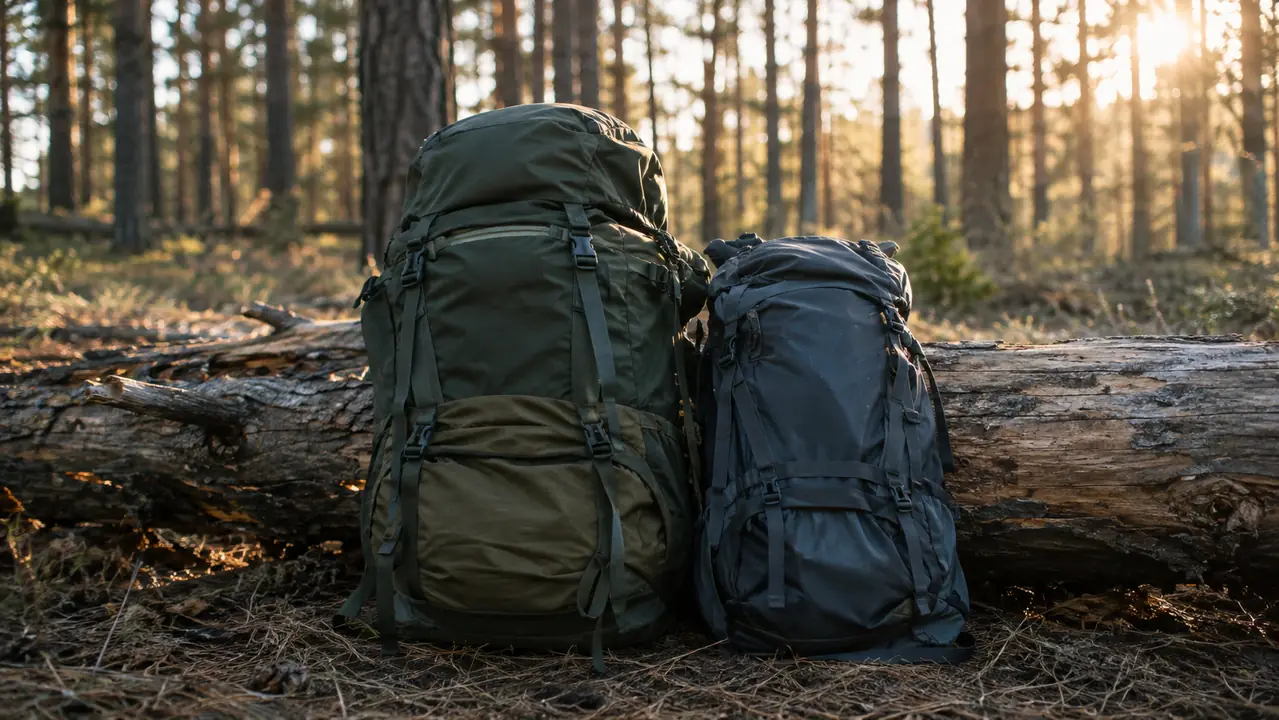
If this is your first backpacking pack, buy the TETON Sports Explorer 65L. You will make mistakes. You will pack too much. You will scrape the pack against trees and drop it in parking lots. A cheaper pack that survives your learning curve is worth more than an expensive pack you are afraid to use.
The Osprey is a great second pack. Once you know your torso length, your typical load, and the kind of trips you actually take, the Osprey's fit and adjustability will shine. Until then, the TETON Sports Explorer 65L will teach you everything you need to know.
How It Packs for a Flight
I flew to Wyoming with the TETON Sports Explorer 65L, and it went in the checked bags. A 65 liter pack is far too big for a carry-on, so I cinched every compression strap, tucked the hip belt behind the back panel, and zipped the whole thing into a cheap duffel so no strap could snag on a baggage belt. It came out the other end with nothing torn, and the stiff frame meant the contents arrived uncrushed.
The Osprey also fits, but the trampoline back panel makes it slightly thicker. If you fly often with a 65-liter pack, the TETON Sports Explorer 65L is easier to cram into a bin. That is a small thing, but it is the kind of small thing that makes a pack feel like yours.
How the Zippers and Fabric Hold Up
After 200 miles, the zippers on the TETON Sports Explorer 65L still run smooth. The main compartment has a U-shaped opening that makes packing easy. The fabric is a thick polyester that has shrugged off branches and granite. I have not had a single seam pop.
The Osprey's fabric is lighter and feels more technical. It is not fragile, but it does not feel as burly as the TETON Sports Explorer 65L. If you are hard on gear, the TETON Sports Explorer 65L will look better after a season of abuse.
How to Get the Right Fit
The TETON Sports Explorer 65L comes in one torso size, so fit starts with the shoulder straps. Loosen everything, put the pack on, and tighten the hip belt first. The belt should sit on your hip bones, not your waist. Then pull the shoulder straps snug, and finally tighten the load lifters at the top. That order makes a bigger difference than any pack brand.
If you are between sizes, adjust the sternum strap and the load lifters until the pack stops pulling backward. I am 5-foot-6 with a short torso, and I had to set the shoulder straps almost as short as they go. It worked, but if you are much shorter, try the pack on before you buy.
What I'd Change About the TETON Sports Explorer 65L
The hip belt pockets are small. I can fit my phone in one and a granola bar in the other, but not both. The sleeping bag compartment is fine, but the divider adds weight and I ended up removing it. The lid converts into a daypack, which sounds great, but the daypack straps are thin and the whole thing flops around when you are trying to hike with it. I used it once and then left it in the car.
The frame is not as breathable as the Osprey. On hot days, my lower back gets damp. The torso adjustment is also limited. I am 5-foot-6 with a short torso, and I had to set the shoulder straps almost as short as they go. Someone 5-foot-4 would probably need to modify the straps or buy a different pack. None of these are dealbreakers, but they are real.
The Bottom Line
The TETON Sports Explorer 65L is the pack I reach for every weekend. It is not perfect, and it does not fit everyone. But for the hiker who wants a durable, comfortable, 65-liter pack without spending a small fortune, it is the best choice I have found. The Osprey is a better pack for people with tricky torsos and hot backs. The TETON Sports Explorer 65L is the better pack for everyone else.
Still deciding? Let your next trip decide.
The TETON Sports Explorer 65L has carried me through three months and 200 miles without complaint. If you want a durable 65-liter pack that leaves money for gas and campsites, this is the one. Check today's price on Amazon.
Amazon Check Today's Price on Amazon →