

I have a confession to make. When I first unboxed the TETON Sports Explorer 65L, I judged it by the price tag and set my expectations low. I have been a physical therapy assistant for fifteen years, and I spend my weekends in the Sawtooths with Mark, so I have a long list of opinions about how a pack should fit and carry. I fully expected this one to feel like a starter pack: stiff, heavy, and ready to be replaced the moment I got serious.
Then I loaded it up and wore it for a season. Now I need to correct the record. The TETON Sports Explorer 65L is not the pack I expected it to be, and there are a few things about it that nobody seems to mention in the product photos. This is the honest version, including the parts that annoyed me.
The Quick Verdict
A surprisingly capable 65-liter pack that handles real weekend loads, with a fit system that works for short torsos like mine. It is heavier than premium rivals and the hip belt pockets are too small, but at this price it is the pack I recommend to friends who are just starting to do overnight trips.
Amazon Check Today's Price →The 65-liter pack that changed what I expect at this price
I carried the TETON Sports Explorer 65L for a full season of weekend trips. If you want a pack that fits a short torso, carries a real load, and does not require a second mortgage, this is the one to look at first.
Amazon Check Today's Price on Amazon →How I've Used It
I bought the TETON Sports Explorer 65L in early spring, and by late October it had been on eleven overnight trips. Most of those were two-nighters in the Sawtooths with Mark, carrying a three-season tent, a 20-degree quilt, a stove, food for two nights, and a 2.5-liter water bladder. That is a typical load for me: somewhere between 28 and 34 pounds depending on how much food Mark talked me into bringing. The first trip was a two-nighter in early May to Stanley Hot Springs. I packed 31 pounds including a bear canister, because I always use one in the Sawtooths, and the trail gained about 1,800 feet over 5.5 miles. I had set the torso length the night before in my living room, and I still had to stop twice to tweak the load lifters. By the third mile I stopped thinking about the pack, which is the best compliment I can give it.
I am 5'6" with a short torso, which is the single most important fact about me when it comes to backpacks. Most unisex packs hang wrong on me. The shoulder straps sit too wide, or the hip belt rides over my ribs, or the load transfer lands on my shoulders instead of my hips. My left knee also needs me to keep weight on my hips on long descents, so a pack that does not transfer load properly is not a comfort issue for me. It is a pain issue.
On paper, the TETON Sports Explorer 65L should not have worked for me. It is a budget-priced internal frame pack with a suspension system that looks basic next to the big-name brands. On the trail, it surprised me. The torso length adjusts through a range that actually includes my size, and once I set it, the load sat where it was supposed to sit. I measured my torso the way the instructions suggest: find the C7 vertebra at the base of my neck, feel for the top of my hip bones, and split the difference. My measurement is 16.5 inches. The ladder-style adjustment on the Explorer has about five inches of travel, and I landed on the second shortest setting. Mark, who is 6'1" with a 19-inch torso, rides three settings higher. Same pack, two very different bodies, and both of us got a fit that kept weight on our hips.
What Nobody Tells You About the Fit
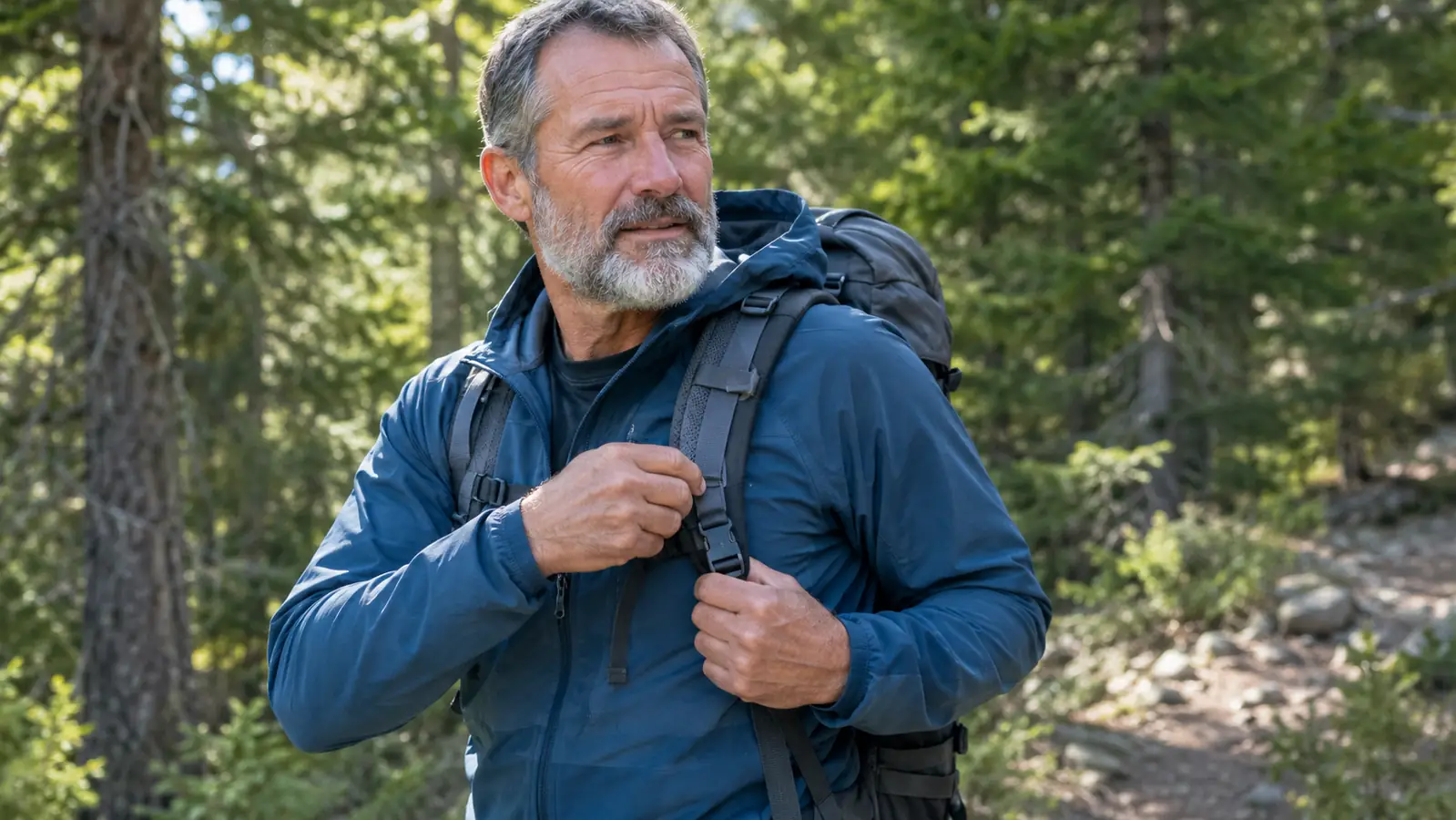
Here is the thing that surprised me most. The fit system on the TETON Sports Explorer 65L is genuinely good, but it takes a few minutes to set up correctly. The torso adjustment uses a ladder-style system that you have to fiddle with before your first trip. I watched two different friends skip this step, wear the pack too high, and then complain that it was uncomfortable. The pack is not uncomfortable. It is just not set up.
When I adjusted mine properly, the difference was immediate. The hip belt sat right on my iliac crest, the shoulder straps wrapped without digging into my armpits, and the load transfer felt like the weight was being carried by my hips rather than my spine. I wore it with 32 pounds on a 6-mile climb to Sawtooth Lake and my shoulders were not sore at the end. That has never happened with a pack at this price. The load lifters matter more than people think. If they hang loose, the top of the pack pulls backward and your shoulders do all the work. Tighten them until the pack leans slightly into your back, then take a few steps and adjust again. That extra minute is the difference between a good day and a miserable one.
The difference between "this pack hurts" and "this pack fits" was about four minutes of adjustment. Nobody tells you that.
The Good: What I Genuinely Liked
The TETON Sports Explorer 65L does a lot of things right, and I want to give it full credit where it is due. The load transfer is the headline. I have carried this pack on rocky descents in the Sawtooths, on exposed ridges where I needed to scramble, and on a rainy 8-mile day where the trail turned to slick mud. Every time, the weight stayed on my hips and the pack stayed stable. For a pack in this price range, that is remarkable.
The frame also handles weight better than it has any right to. I have loaded it to 35 pounds for a three-night trip, and while I would not want to go much heavier, it carried that load without the frame bowing or the pack sagging. The internal frame is simple, but it works.
The sleeping bag compartment is a detail I appreciated more than I expected. It has a separate zippered opening at the bottom, which means I can pull out my quilt without unpacking everything else. On a cold, rainy night, that is a small luxury. The main compartment opens wide, and the top lid has a pocket that fits a rain jacket, a headlamp, and a small first aid kit. It also has a small loop inside the main compartment that I use to clip my keys to, so they stop falling to the bottom of the bag.
The water bottle pockets are also better than average. They are deep enough that a bottle does not fly out when I bend over, and they are positioned so I can reach them without taking the pack off. That sounds like a small thing, but on a hot day in the foothills, it is the difference between drinking water and not drinking water. I used a 1-liter Nalgene bottle all summer and never lost it once.
The Honest Cons: What Nobody Tells You
Now for the part that most reviews skip. The TETON Sports Explorer 65L has some real drawbacks, and I think you should know about them before you buy.
First, the hip belt pockets are too small. I wear a phone in a case, and it barely fits. The pockets are roughly five inches wide and four inches deep, and my phone is 6.1 inches tall in its case, so it only fits diagonally, and even then it presses against the buckle. On a scramble near Redfish Lake, I watched a snack bar work its way out of the zippered pocket and bounce down the talus. If you carry a larger phone, or a phone plus a snack, you will be frustrated. I ended up keeping my phone in the top lid pocket and my snacks in the hip belt pocket. That is a workaround, not a solution.
Second, the pack is heavy. I weighed it empty on my luggage scale: 4 pounds 11 ounces for the medium torso. That is about a pound more than the premium pack I compared it to. It is not the heaviest pack on the market, but it is heavier than the premium alternatives. I noticed it on the scale before I noticed it on my back. On a 6-mile climb, that pound did not bother me. On a 14-mile day, I noticed it in the afternoon. If you are the kind of hiker who weighs every ounce, this is not the pack for you. If you are the kind of hiker who wants a pack that costs less than a fancy dinner and carries a real load, the weight is a fair trade.
Third, the rain cover is not included. I know this because I got caught in a rainstorm on my third trip and had to improvise with a trash bag. The storm hit about two miles from camp on the way to Imogene Lake. The clouds came over the ridge fast, and within ten minutes the trail was running with water. I wrapped my quilt in a dry bag, put my clothes in a trash bag, and accepted that my sleeping pad would get damp. The pack's fabric shed the worst of it, but the top lid seam let a little water in near the zipper. The cover is sold separately. That feels like a strange omission on a pack that is otherwise so well equipped.
Fourth, the sternum strap has a whistle buckle. I have never needed a whistle on a trail, and I have accidentally pressed it more than once while adjusting the strap. It is a small thing, but it is the kind of detail that makes a pack feel like it was designed by someone who does not hike. I would trade the whistle for a magnetic buckle in a second.
What I Liked
- Excellent load transfer once the torso is set; weight stays on the hips even on rocky descents
- Fit range genuinely includes short torsos; my 16.5-inch torso landed on the second setting
- Tough fabric and zippers that survived a full season of granite and talus
- Separate bottom opening for the sleeping bag is genuinely useful
- Carries 30 to 35 pounds without the frame bowing
Where It Falls Short
- Hip belt pockets are too small for a modern phone in a case
- Empty weight of 4 pounds 11 ounces is about a pound more than premium rivals
- Rain cover not included and the top lid seam is not fully waterproof
- Whistle buckle on the sternum strap is easy to press by accident
How It Performed Over a Full Season
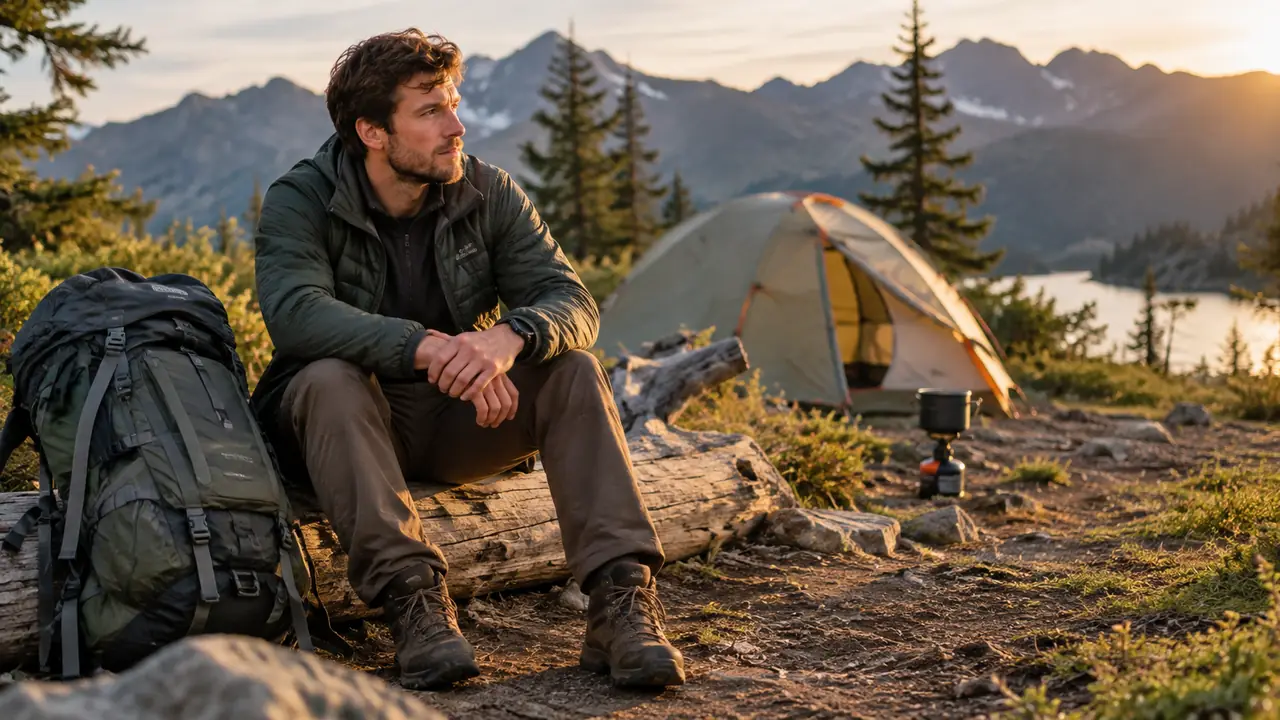
I have put roughly 140 trail miles on the TETON Sports Explorer 65L, and I want to talk about how it held up. That includes one 14-mile day on the Bench Lakes trail in September, where I carried 29 pounds and my knee behaved because the load stayed on my hips. The fabric shows almost no wear. I have dragged it over granite slabs in the Sawtooths, brushed it against pine bark, and set it down on sharp talus more times than I can count. There are a few scuff marks, but no tears, no frayed seams, and no broken zippers.
The zippers deserve a special mention. They have not snagged once, even when I overstuffed the main compartment. The stitching on the shoulder straps and hip belt has held up, and the frame has not bent or warped. The only real wear is on the bottom panel, where a few threads are scuffed from being set down on granite. No holes, no blown seams. I am not gentle with my gear, and this pack has taken it.
The one thing I would watch is the compression straps. They are functional, but they are not the easiest to tighten one-handed. I have had to stop and use both hands to get a good cinch, especially when the pack is full and the straps are buried under the side pockets. It is a minor annoyance, not a dealbreaker.
Who This Is For
The TETON Sports Explorer 65L is for the hiker who is ready to do their first overnight trip and does not want to spend a fortune to find out if they like it. It is for the person who wants one pack that can handle a weekend in the mountains, a week at a cabin, and the occasional flight in a checked bag. It is for the short-torso hiker who has been told that budget packs do not fit, because this one does.
I also think it is a great pack for Scout leaders, for families who are outfitting multiple kids, and for anyone who needs a pack that can take a beating without causing heartbreak when it gets scratched. This is a tool, not a status symbol, and it is a good tool.
Who Should Skip It
If you are a gram-counter who weighs your spoon before every trip, this pack will drive you crazy. There are lighter options, and they cost more. If you are planning a thru-hike of the Pacific Crest Trail or the Continental Divide Trail, I would look at something lighter and with a more advanced suspension. The TETON Sports Explorer 65L is a weekend warrior's pack, not a thru-hiker's pack.
I would also skip it if you are over 6'2" or have a very long torso. The adjustment range is generous, but it is not infinite. If you are at the top of the size range, you may find the hip belt sits too high. Try it on before you commit, or order from a place with a good return policy.
How It Compares to the Premium Packs
I have tried the premium alternatives. I have worn a friend's Osprey pack on a day hike, and I have tried on multiple premium packs at the store. The difference is real, but it is not as big as the price difference suggests.
The premium packs are lighter, the hip belt pockets are bigger, and the fabric feels more refined. But the TETON Sports Explorer 65L carries a load just as well, fits my short torso just as well, and has held up just as well over a season of use. The premium packs are better. They are not three times better, and they cost several times more.
I have a separate comparison of the TETON Sports Explorer 65L against the Osprey pack that I recommend most often, if you want to see the details side by side.
Ready to see what the TETON Sports Explorer 65L can do?
I carried this pack for a full season and I would buy it again. If you want a 65-liter pack that fits a short torso, carries a real load, and leaves money in your budget for the rest of your gear, this is the one to start with.
Amazon Check Today's Price on Amazon →